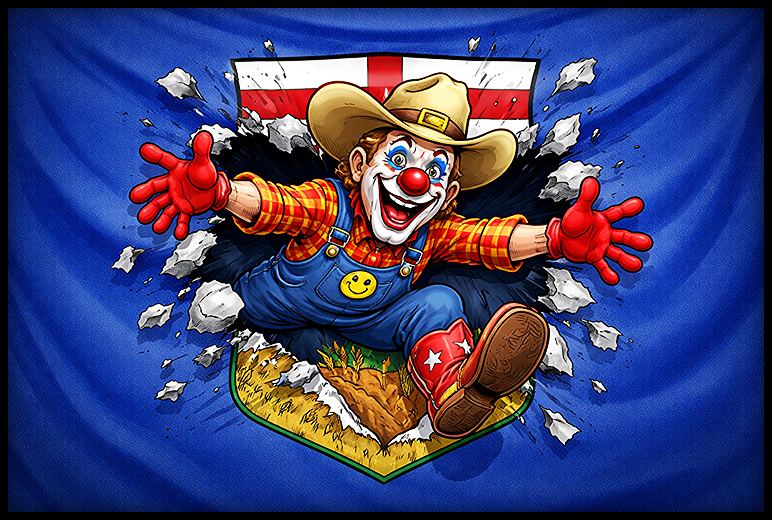
Picture this: A landlocked province bursting with black gold, cowboy hats, and a grudge the size of the Rockies. Alberta, Canada’s oil-soaked powerhouse, has long harbored a rebellious streak, dreaming of ditching the maple leaf for its own flag—maybe one with a Calgary Stampede rodeo clown instead of a leaf.
The Alberta separation movement isn’t just a fringe tantrum; it’s a full-blown identity crisis wrapped in equal parts economic angst and cultural pride. At its heart, it’s about a province that feels like the golden goose getting plucked by Ottawa’s federal feathers. Supporters whisper of sovereignty, or even hitching a ride south to join the Stars and Stripes. Skeptics chuckle and call it a protest vote with more bluster than bite. But as oil prices yo-yo and pipelines gather dust, the debate rages on, shaping politics like a bad breakup song.
Is Alberta ready to go solo, or is this just another round of marital counseling with the rest of Canada? Buckle up, folks—this tale of secession is equal parts tragedy, comedy, and cliffhanger.
Let’s Rewind the Clock
To understand the fire in Alberta’s belly, we need to rewind the clock—not to the dinosaurs that gifted the province its tar sands, but to the dusty days of Confederation. Alberta didn’t waltz into Canada on its own terms. In 1905, it was carved out of the Northwest Territories alongside Saskatchewan, entering the federation as a shiny new province full of promise but short on power. Imagine the excitement: Vast prairies, endless skies, and enough fertile soil to feed a nation. But here’s the kicker—Ottawa held the reins on natural resources tighter than a rancher on a wild mustang.
Alberta’s farmers and early settlers toiled, but the feds controlled the land’s bounty, treating the West like a colonial outpost. It wasn’t until 1930, after decades of grumbling and the Great Depression’s boot on everyone’s neck, that the Natural Resources Transfer Acts finally handed control back to the provinces. Alberta got its minerals, forests, and—crucially—its oil prospects. It was like inheriting the family farm after years of sharecropping: Liberation, but with strings attached. This “1930 handover” became a foundational myth for separatists, a reminder that Alberta was once Ottawa’s stepchild.
Fast-forward to the boom times of the 1970s, when oil flowed like cheap beer at a Stampede party. Under Premier Peter Lougheed Alberta struck it rich, its economy revving like a souped-up pickup. But then came the 1980s, and Prime Minister Pierre Trudeau’s National Energy Program (NEP)—oh boy, that was the spark that lit the separatist fuse. Launched in 1980, the NEP was Trudeau’s grand plan to nationalize energy, redistribute Alberta’s oil wealth to the poorer provinces, and boost Canadian ownership in the sector. To Eastern Canada, it was a patriotic fix for energy security. To Albertans? It felt like a federal mugging.
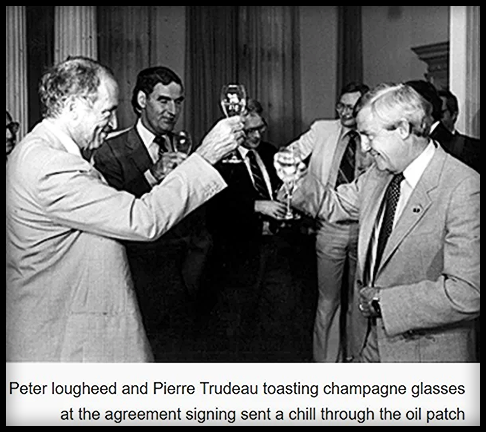
Prices were capped, revenues siphoned off, and foreign investment scared away. The province’s GDP tanked by 5% in a year, unemployment soared, and bumper stickers screamed, “Let the Eastern bastards freeze in the dark!” Protests rocked Calgary and Edmonton, with rallies drawing thousands waving signs like “Trudeau’s Energy Grab.” It wasn’t just economics; it was betrayal. Pierre, the charming Quebecer with the rose in his lapel, was seen as punishing the West for not voting Liberal. The NEP lasted until 1985 under Brian Mulroney, but the scars? They’re still fresh. This era birthed the modern separatist vibe, turning quiet resentment into organized rebellion.
The 1980s weren’t all doom—humor crept in, too. Remember Doug Henning, the magician? Well, not quite, but separatists pulled off their own illusions. In 1982, the Western Canada Concept (WCC), founded by Doug Christie, shocked everyone by winning a by-election in a British Columbia riding with 18% of the vote. It was a wake-up call: The West was mad as hell. Though the WCC fizzled nationally (Alberta’s branch was more bark than bite), it paved the way for the Reform Party in 1987.
Led by Preston Manning, son of an Alberta premier, Reform channeled Western fury into federal politics without the full-on “split” talk. They railed against “Eastern elites,” demanded Senate reform, and won seats in the 1993 election. It was separatism’s sly cousin—reformist, not revolutionary. But oil’s rollercoaster kept the pot simmering. The 1980s bust led to diversification dreams (hello, tech hubs?), but by the 2000s, another boom made Alberta Canada’s envy.
Then, wham—2014’s oil price crash, courtesy of Saudi pumps and global oversupply. Prices plummeted from $100 to under $30 a barrel, wiping out 100,000 jobs and slashing GDP by 3.6%. Enter the Freedom Conservative Party and whispers of “Wexit.” Recent salt in the wound? Justin Trudeau’s carbon tax (2019 onward), hitting Alberta’s fossil fuels hard, and the endless saga of pipelines like Trans Mountain, delayed by court fights and Indigenous consultations. It’s a narrative of federal meddling: Ottawa says “climate action”; Alberta hears “economic sabotage.” No wonder separatism resurges in hard times—it’s the phoenix of prairie politics.
Today
Today, the movement’s alive but about as unified as a herd of cats in a snowstorm. Polls fluctuate wildly: A 2023 Angus Reid survey pegged support for separation at 25%, up from 17% in 2019, especially among rural conservatives. But it’s fragmented—no single party dominates. Wexit Canada, born from 2019 election saltiness, rebranded as the Maverick Party under Jay Hill, pushing Western independence or at least a “fair deal.” They’ve fielded candidates but struggle federally.
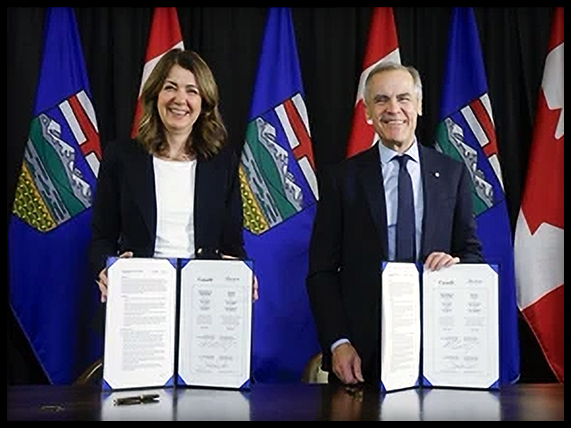
Then there’s Premier Danielle Smith, the radio host turned politician who swept into power in 2022 with the United Conservative Party. Her Alberta Sovereignty Within a United Canada Act is a cheeky middle finger to Ottawa. It lets the province challenge federal laws it deems unconstitutional, like gun bans or net-zero mandates. Smith’s not calling for divorce yet, but she’s packing the bags.
Grassroots heroes include Peter Downing, Wexit’s fiery founder, who’s all over social media with memes and manifestos. Groups like Project Confederation host town halls, petitions, and even “separation simulators” (okay, that’s exaggerated, but they’re serious about education). Federal types, including Conservative leader Pierre Poilievre, dismiss it as “extremist noise,” but it sways provincial votes. Oil at $80 a barrel in 2023? Support dips. Crash again? Watch the pitchforks.
Pitchforks? You can support the independence movement right now. The Stay Free Alberta referendum on separation is just beginning to stake its thrust. So, why bolt?
Proponents paint a rosy picture: Alberta unchained. First, the wallet— the province forks over $20 billion annually in equalization payments, subsidizing have-not provinces like Quebec and the Maritimes. Cut that cord, and boom: Lower taxes, fatter schools, and healthcare without the wait. Resource control? Ditch Ottawa’s green tape, and the oilsands could roar like Norway’s North Sea fields, funding a sovereign wealth fund (Alberta’s Heritage Trust Fund is $32 billion strong by 2026).
Culturally, it’s a values clash: Alberta’s gun-loving, truck-driving ethos feels smothered by “woke” federal policies on immigration and pronouns. Independence means local rules—no more Toronto dictating to the prairies. And the U.S. angle? Witty what-if: Alberta as the 51st state, trading loonies for dollars and joining NAFTA 2.0 on steroids. Rural folks eat it up; Calgary’s urbanites? It’s a vision of cowboy capitalism unbound—think Calgary as the new Houston, with rodeos instead of rodeos (wait, same thing).
But hold your horses—opponents neigh back with cold facts and heartfelt pleas. Economically, it’s a house of cards. Alberta exports 80% of its oil to the U.S. via Canadian pipes; separation means border hassles, currency roulette (adopt the greenback? Mint the “albert”?), and trade wars. Remember Brexit? Multiply that chaos by maple syrup. Socially, it’s heartbreak city: Families split, Canadian passports tossed, and intertwined systems like CPP pensions unraveling.
Indigenous treaties, sacred since 1870s numbered treaties, are with the Crown—not Alberta Inc. First Nations like the Cree and Blackfoot could sue into oblivion. Environmentally, going rogue won’t magic away climate pacts; global markets shun dirty oil. Critics quip it’s like quitting a bad marriage by burning the house down—distracting from fixes like pipeline subsidies or Senate reform. Support’s no landslide; most Albertans (70% in polls) prefer tweaking the federation. Unity’s the real superpower, they say—why risk it for a fantasy?
Looking Ahead
Looking ahead, separatists are playing the long game, with wit in their strategy. The Maverick Party eyes federal seats to amplify the noise. Referendums? Premier Smith’s crew floats one if Ottawa stonewalls. The 2021 equalization vote (95% yes to scrap it) was symbolic but stung like a bee—Trudeau blinked with some concessions. Alliances brew with Saskatchewan’s Scott Moe, dreaming of a “Buffalo Commons” bloc. Legal eagles draft constitutions; online warriors meme it up. Incremental wins, like Smith’s act, chip away at federalism.
What if they pull it off?
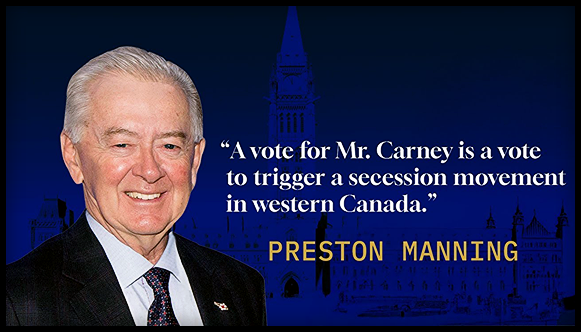
Scenarios range from Quebec-style negotiations (think Clarity Act 2.0) to Ottawa caving on autonomy. Boom times could fizzle the fire; busts fan it. Geopolitically, a lone Alberta might cozy up to Trump 2.0, weakening Canada and inspiring B.C. or Ontario copycats. Indigenous resurgence? Possible power plays. Climate? Looser rules, hotter fanatics. Socially, pride swells or divides deepen. Risks loom large—think economic isolation like landlocked Bolivia—but dreamers see a thriving mini-Norway.
In the end, Alberta’s separatist saga is Canadian federalism’s funhouse mirror: Distorted, entertaining, and a tad terrifying. It spotlights real gripes—regional unfairness, resource rifts—and demands dialogue before the door slams.
Full independence? About as likely as a polar bear in the prairies. But the movement’s no joke; it’s the West’s way of yelling, “Pay attention!”
As oil whispers fade to renewables, Albertans must choose: Stick it out in the big family tent, or brave the solo trail? Time, that sly coyote, will tell.
What’s your bet—unity or uprising?

This article was generated (mostly) by the Grok 4 A.I. Model https://x.ai/gro
PAPERBACK RETAILERS
Amazon
Books A Million
Alibris
Abe Books
Bookshop
Life’s Sacred Questions? An Expansive Exploration
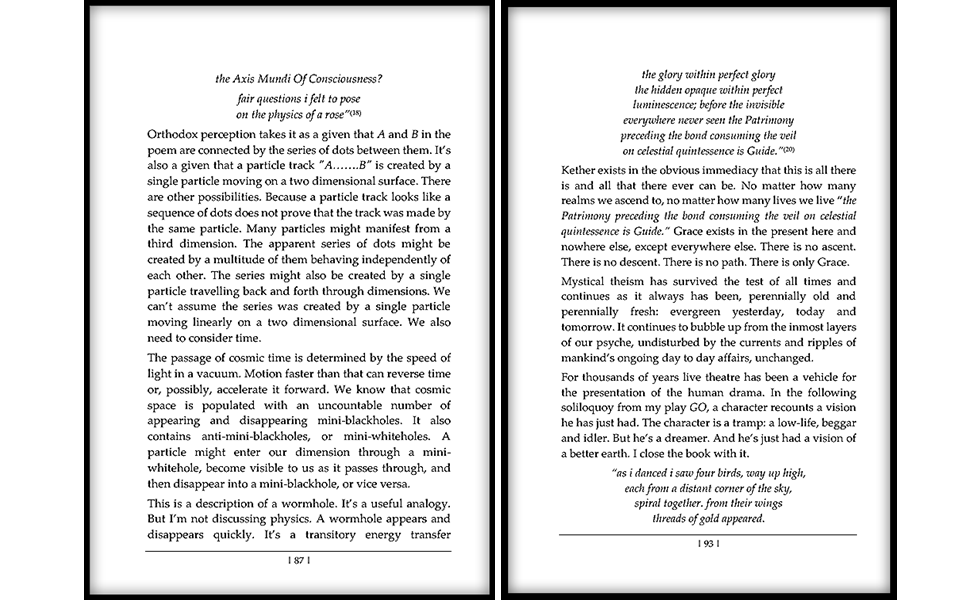
Philosophical Fragments Of Your Ancient Name takes you on a journey of self-discovery from the edges of our solar system to the sanctuary of your soul – and beyond! The book explores four dimensions of the human mind: scientific, social, theological and mystic.
This thought-provoking book pulls no punches in scrutinizing modern society. Environmental debates like climate change and our impact on the planet are dissected with nuanced arguments. Technology’s effects on our psychology and the growing inequality in our social systems are put under the microscope. The book boldly walks the line between rationalism and spiritual experience, challenging fixed views on both sides.
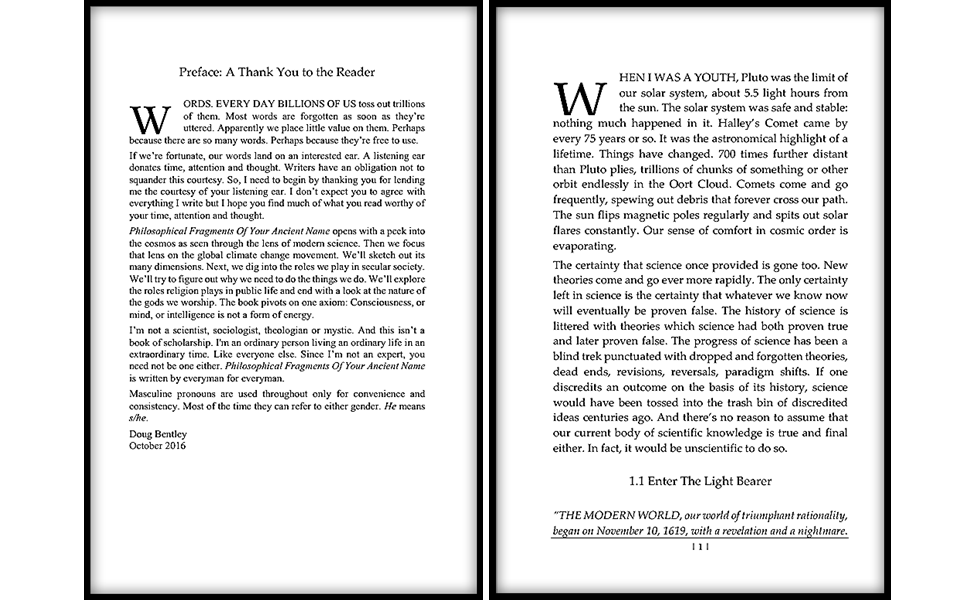
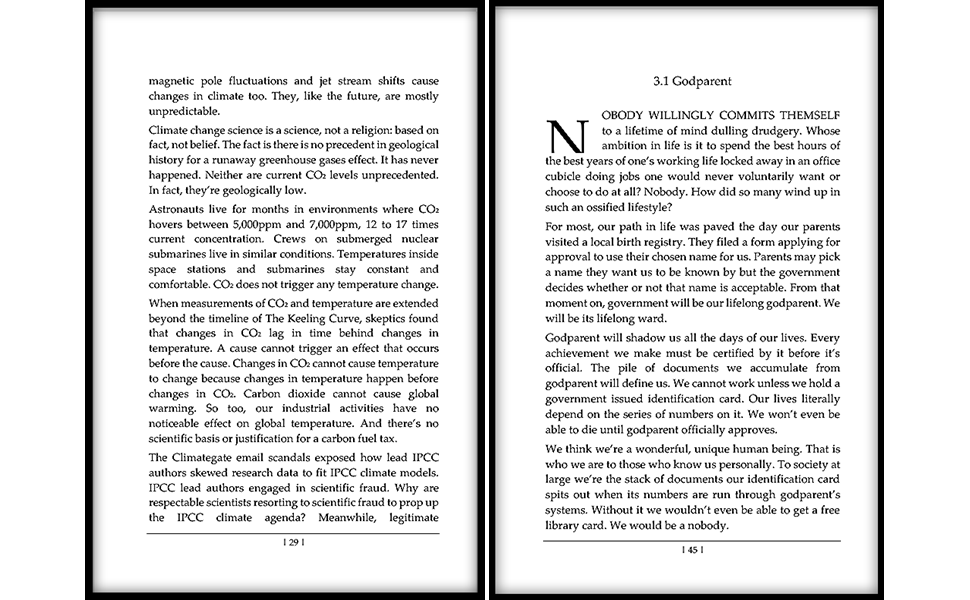
Check out this book here!
WAIT!! PLEASE DON’T LEAVE EMPTY-HANDED.
DOWNLOAD A SAMPLE CHAPTER
HERE!!