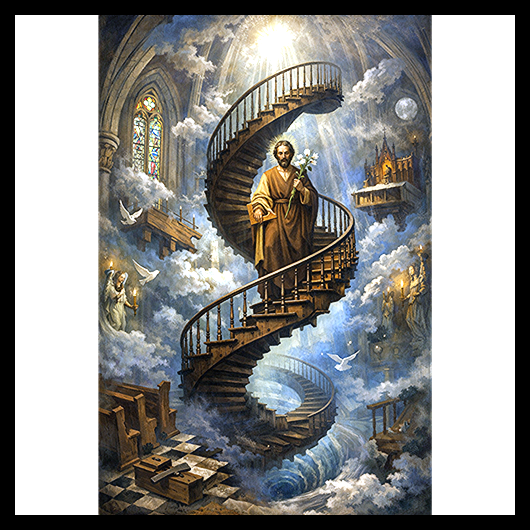
In a world quick to demand proof or dismiss the unexplained, Loretto Chapel preserves a space where doubt and devotion can share the same narrow steps. Visitors who ascend them still feel, for a moment, suspended between earth and something higher
Trifles, Light as Air
In a world quick to demand proof or dismiss the unexplained, Loretto Chapel preserves a space where doubt and devotion can share the same narrow steps. Visitors who ascend them still feel, for a moment, suspended between earth and something higher

Picture this: A landlocked province bursting with black gold, cowboy hats, and a grudge the size of the Rockies. Alberta, Canada’s oil-soaked powerhouse, has long harbored a rebellious streak, dreaming of ditching the maple leaf for its own flag—maybe one with a Calgary Stampede rodeo clown instead of a leaf.
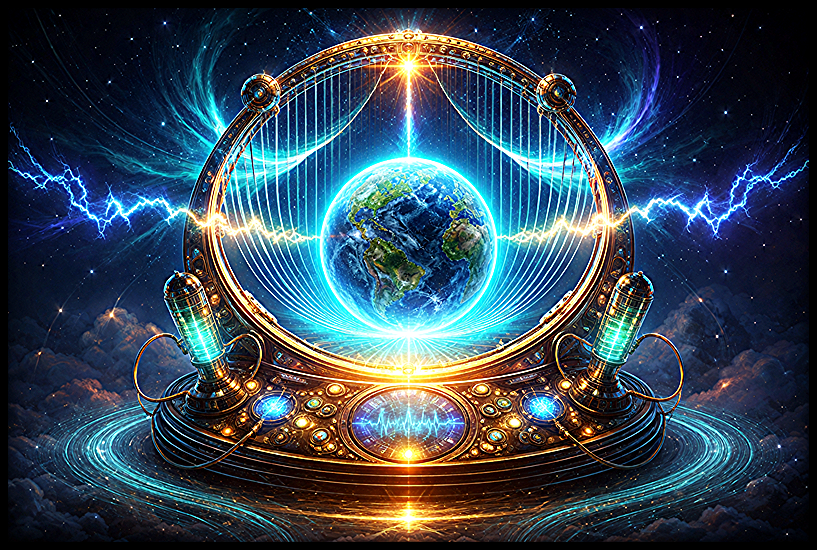
Feel the tremor in the air, a subtle quickening of the invisible—the Schumann Resonance, that 7.83 Hz pulse arcing through Earth’s electromagnetic cavity, suddenly stutters. Variations in this planetary heartbeat, born from the ionosphere’s flux or lightning’s uneven roar, cascade like aftershocks through atmosphere, biology, and the fragile webs of human ingenuity.
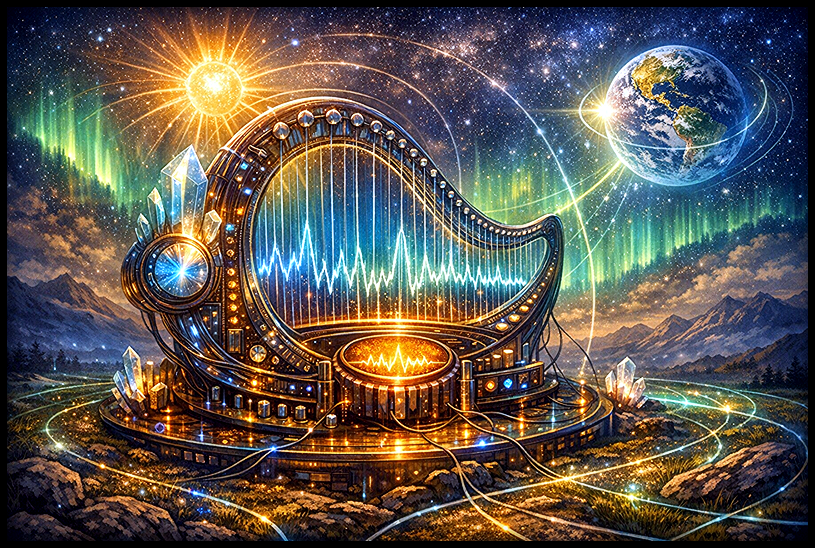
Predicted in the 1950s by physicist Winfried Otto Schumann, the Schumann Resonance wasn’t mere theory; it pulsed into reality soon after, captured by sensitive antennas as faint, spectral peaks in the extremely low-frequency band.
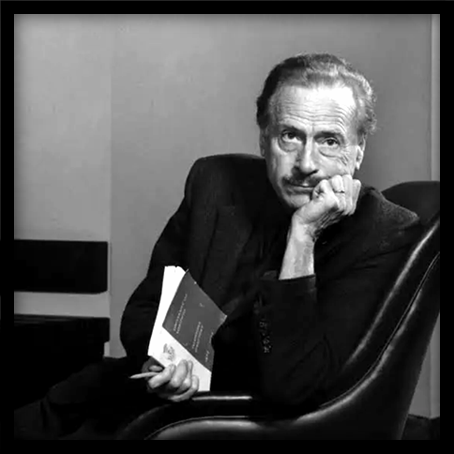
Imagine the brain as a global village itself, a bustling marketplace where ideas from opposite shores collide. The left hemisphere, that bastion of linearity and literacy, embodies the West’s visual empire. It’s the realm of the alphabet, the printing press, and the spreadsheet—tools that slice reality into sequential, analyzable bits. McLuhan likens it to a camera’s fixed focus: sharp, detached, and obsessed with perspective.
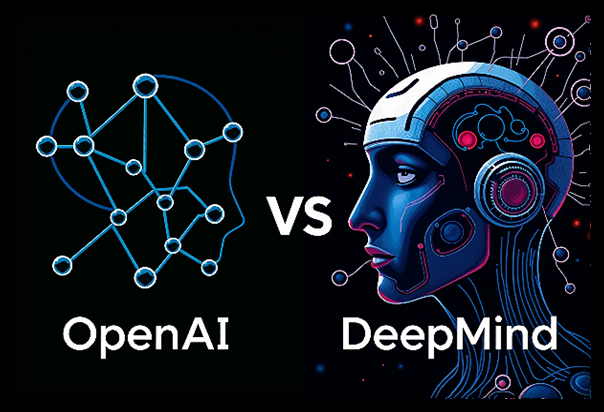
In the ever-accelerating world of technology, few developments spark as much fascination and debate as artificial intelligence (AI). At its pinnacle lies Artificial General Intelligence (AGI)—a hypothetical form of AI that could understand, learn, and apply knowledge across any intellectual task at or beyond human levels.
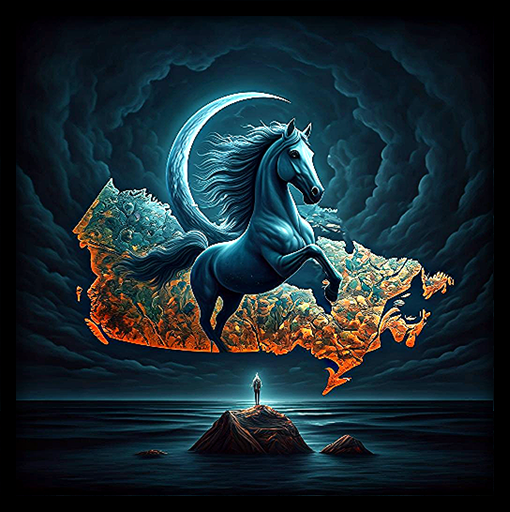
As the Lunar New Year dawns, ushering in the Year of the Horse, the world braces for a period marked by unbridled energy, swift progress, and a thirst for adventure. In the Chinese zodiac, the Horse symbolizes freedom, vitality, and determination—qualities that evoke images of galloping steeds charging toward new horizons.
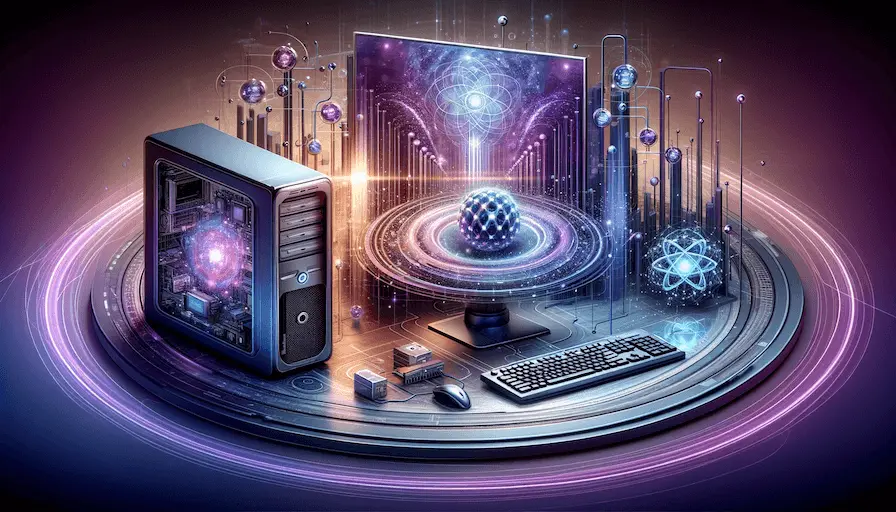
This breakthrough involves characterizing a noisy quantum system, a task that scales exponentially in complexity for classical computers, potentially requiring up to 20 million years of computation time. Remarkably, the team accomplished this in just 15 minutes using entangled light beams.

The medium isn’t neutral; it imposes its own logic and biases, often overshadowing the intended message. This idea challenges us to look beyond what is said to how it’s delivered. McLuhan used examples like the electric light bulb—not for its “content” of illumination, but for enabling entirely new patterns of human activity, such as night shifts and 24-hour economies.
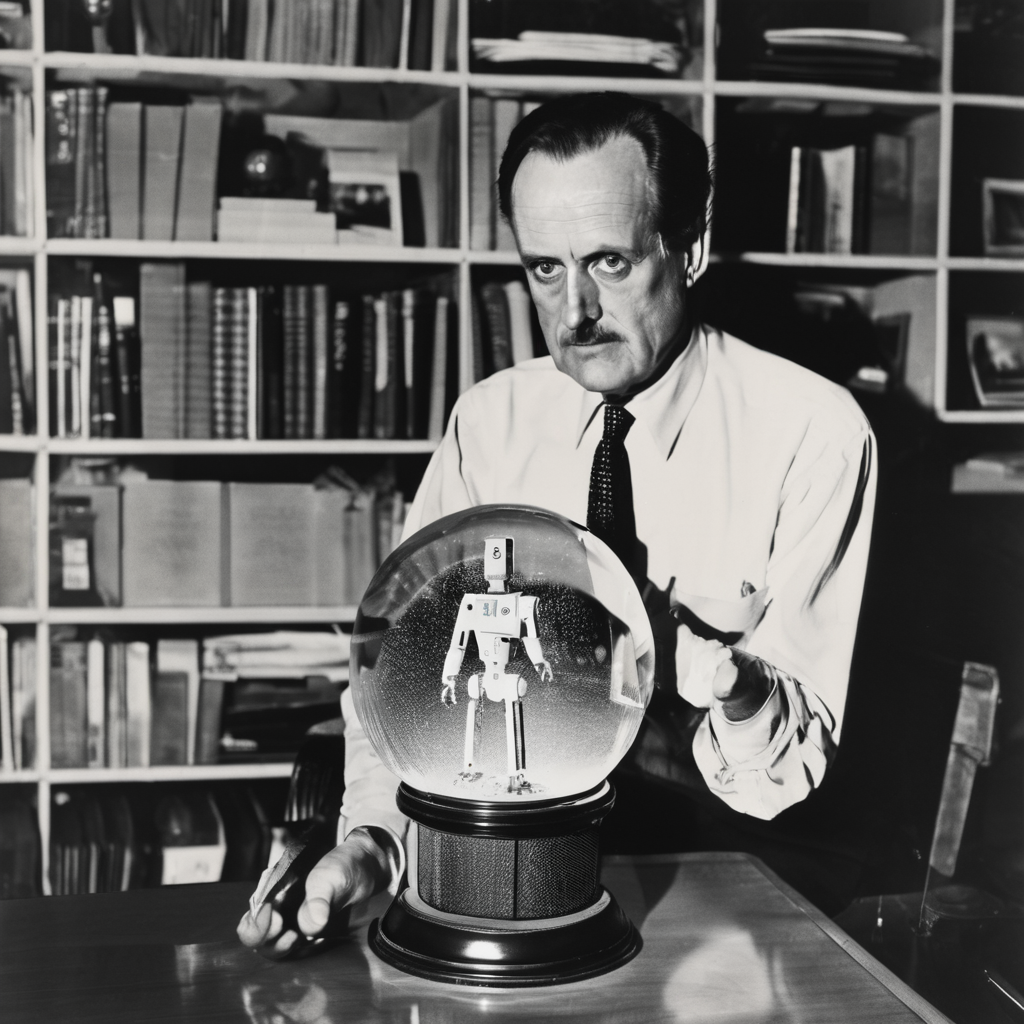
In the realm of media theory, few phrases have resonated as profoundly as “The medium is the message.” Coined by the Canadian philosopher and media theorist Marshall McLuhan (1911-1980), this concept posits that the form or channel through which information is conveyed—the medium—exerts a far greater influence on society and human perception than the content itself.