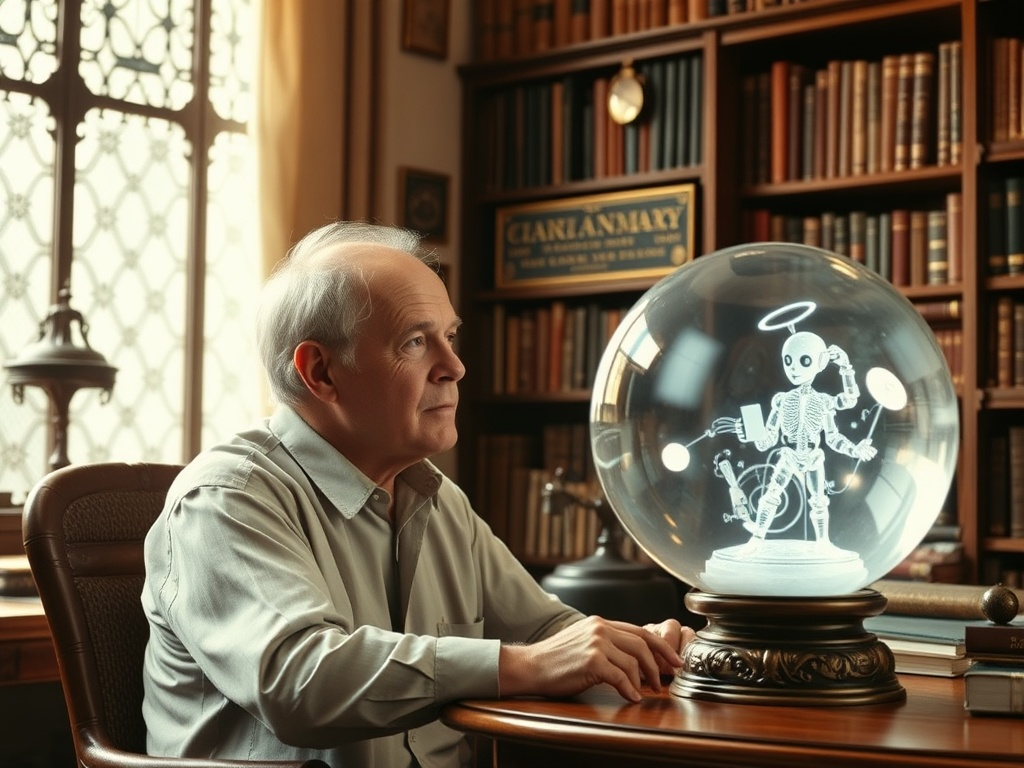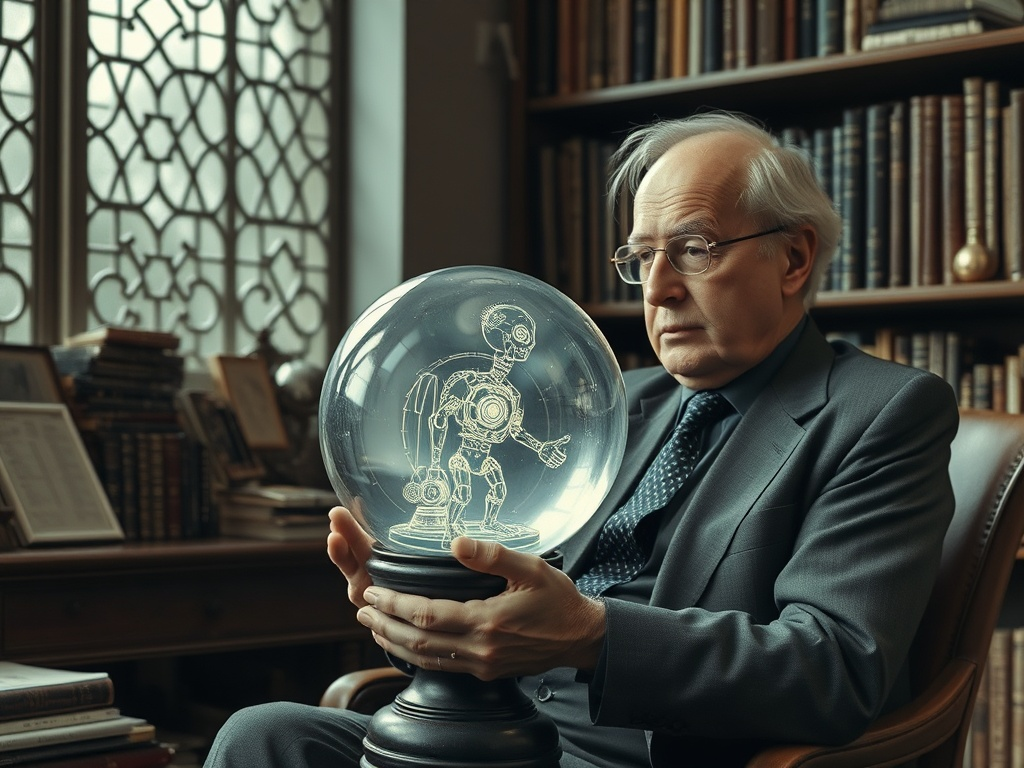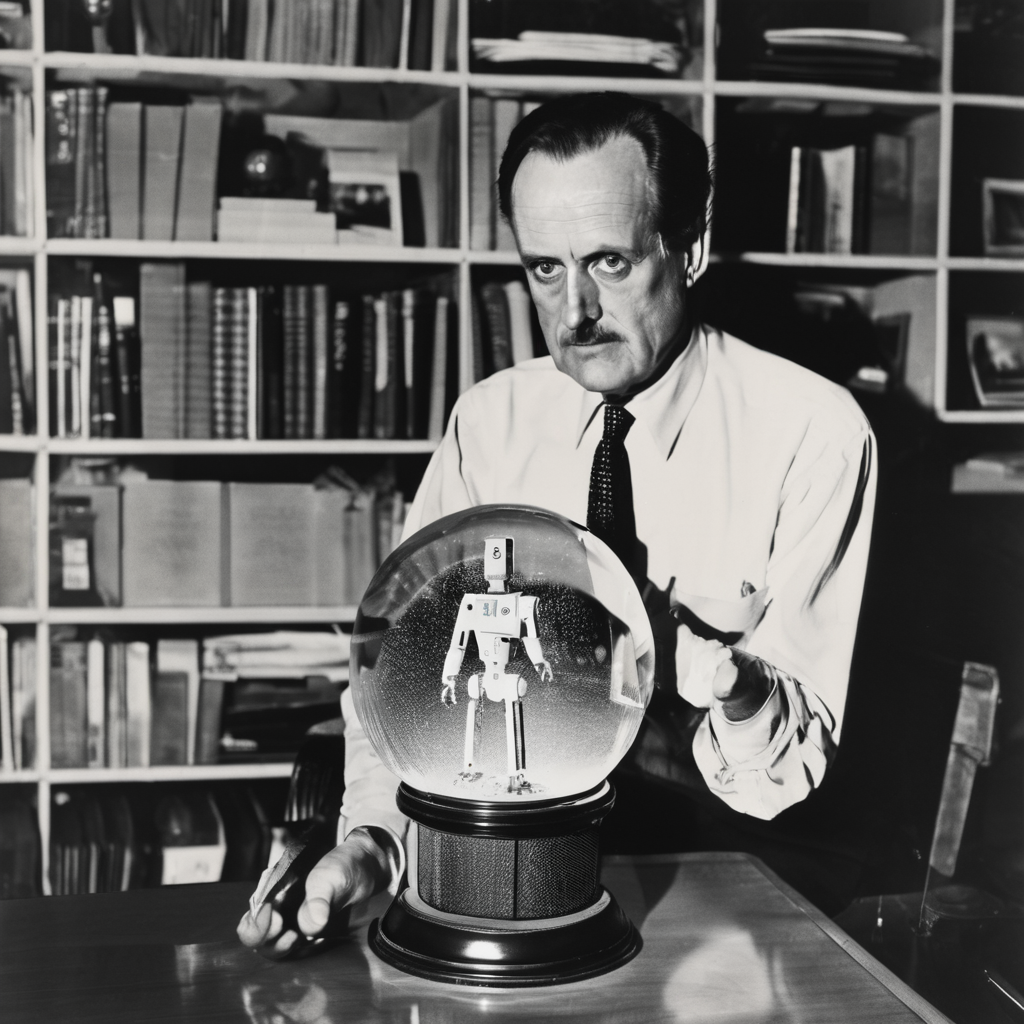
A classic photograph of media theorist Marshall McLuhan.

The Tetrad of Robotics: McLuhan’s Lens on a Transforming Industry (Part 3)

In an era where robots assemble cars, perform surgeries, and even compose music, the rapid evolution of robotics technology feels both exhilarating and inevitable. Yet, as these machines infiltrate every corner of our lives, it’s worth pausing to ask: What deeper patterns emerge from this shift?
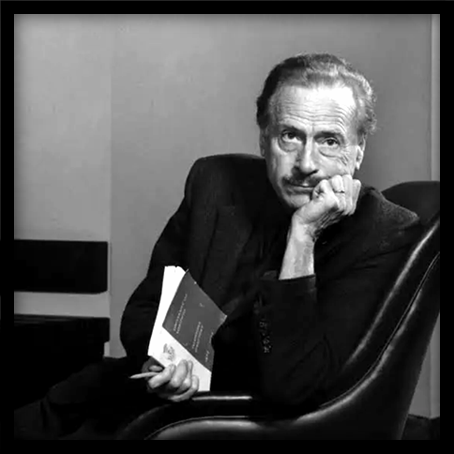
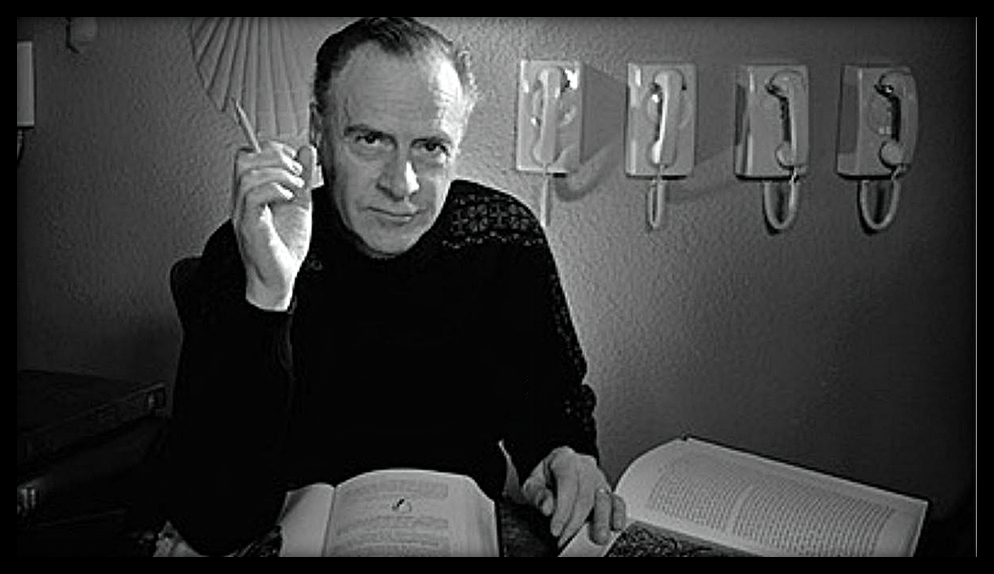
A classic photograph of media theorist Marshall McLuhan.

McLuhan’s Cerebral Bridge to the Global Village (Part 1)

Imagine the brain as a global village itself, a bustling marketplace where ideas from opposite shores collide. The left hemisphere, that bastion of linearity and literacy, embodies the West’s visual empire. It’s the realm of the alphabet, the printing press, and the spreadsheet—tools that slice reality into sequential, analyzable bits. McLuhan likens it to a camera’s fixed focus: sharp, detached, and obsessed with perspective.

Iconic portrait of Marshall McLuhan by Yousuf Karsh.

Narcissus Narcosis: McLuhan’s Warning in the Age of AI

Marshall McLuhan’s concept of “narcissus narcosis” is one of the most intriguing and cautionary ideas in his media theory, particularly as outlined in his 1964 book Understanding Media: The Extensions of Man. Drawing from the Greek myth of Narcissus—a beautiful youth who falls in love with his own reflection in a pool of water, mistaking it for another being—McLuhan uses this metaphor to describe a psychological and perceptual state induced by media technologies.

Abstract representation of AI chat interaction.

The Medium is the Message: The Age of AI Chatbots (Part 1)

The medium isn’t neutral; it imposes its own logic and biases, often overshadowing the intended message. This idea challenges us to look beyond what is said to how it’s delivered. McLuhan used examples like the electric light bulb—not for its “content” of illumination, but for enabling entirely new patterns of human activity, such as night shifts and 24-hour economies.

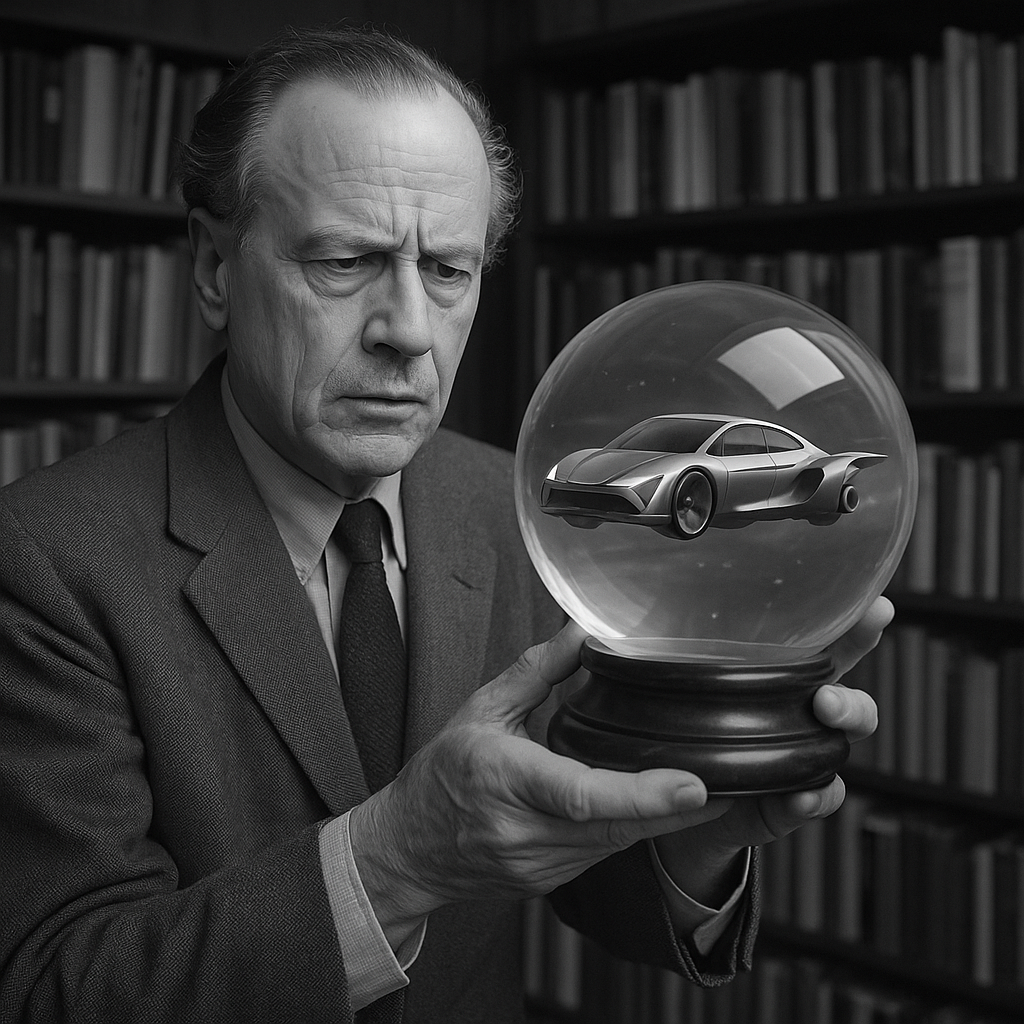
Marshall McLuhan with a futuristic car concept.

The Medium is the Message: McLuhan’s Timeless Quip Takes Flight in the Age of Drones and Flying Cars

First, let’s buzz into drones. These whirring wonders are the ultimate remote control for reality, turning pilots into armchair adventurers and warfare into a video game. Sensory-wise, drones extend our eyes and ears into the ether, but they numb our other senses in the process. Drones extend our vision to god-like heights, but they amputate the tactile terror of being there.

Artistic portrait of Marshall McLuhan.

The Medium is the Message: McLuhan’s Timeless Insight in the Age of Automation and Robotics

In the realm of media theory, few phrases have resonated as profoundly as “The medium is the message.” Coined by the Canadian philosopher and media theorist Marshall McLuhan (1911-1980), this concept posits that the form or channel through which information is conveyed—the medium—exerts a far greater influence on society and human perception than the content itself.