Tensions are high between the West and China, from worries over Taiwan to ongoing tariff battles. Canada, as a key middle player, tries to juggle its ties—sticking with NATO while building business links to China. That’s where Carney steps in.


Trifles, Light as Air
Tensions are high between the West and China, from worries over Taiwan to ongoing tariff battles. Canada, as a key middle player, tries to juggle its ties—sticking with NATO while building business links to China. That’s where Carney steps in.

The current state of U.S.–Canada relations can best be described as paradoxical. On one hand, the two countries remain deeply interconnected through trade, defense, and shared geography. On the other, political tensions and economic disputes have introduced a level of strain not seen in decades.

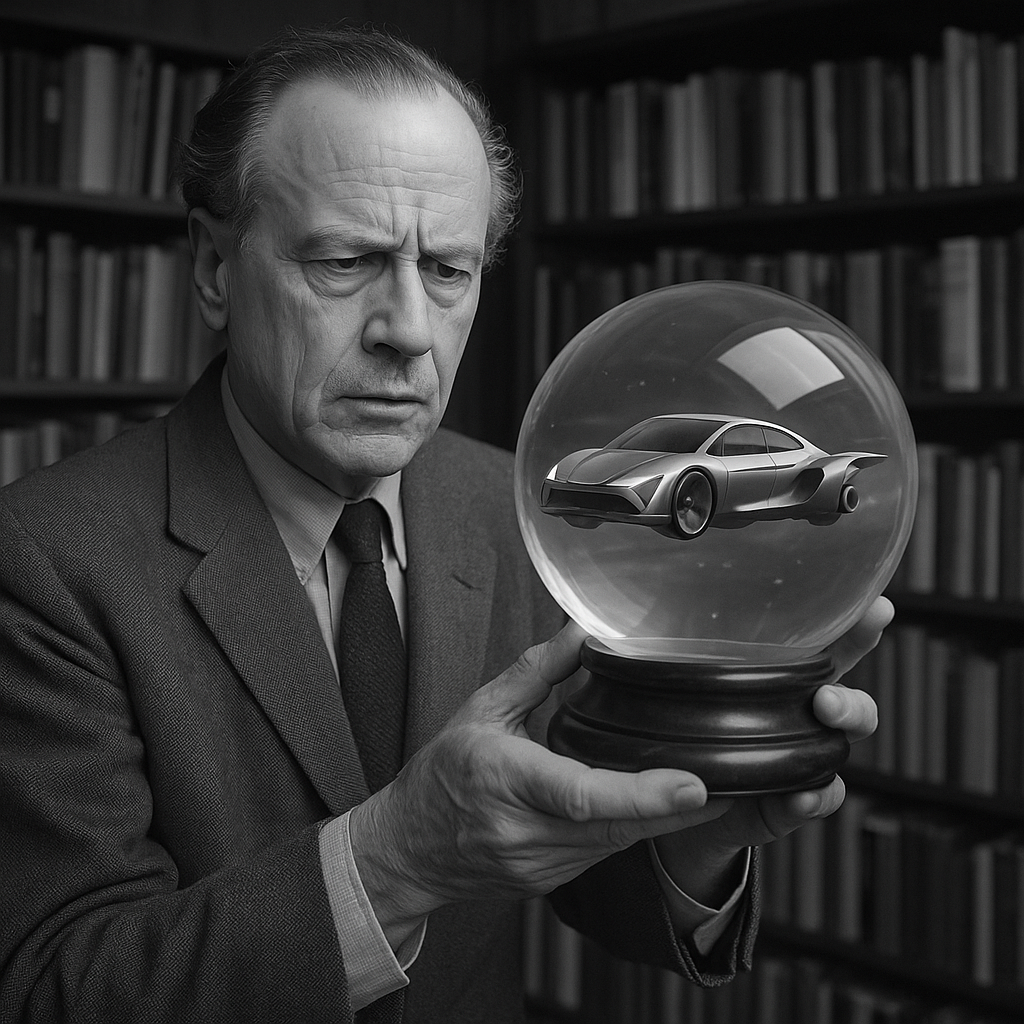
Introduced in The Global Village’s explorations of media ecology, the McLuhan Tetrad isn’t just a checklist; it’s a dynamic dance of effects that any new medium unleashes upon the world. Picture it as a mandala with four quadrants:
In an era where declassified government documents, whistleblower testimonies, and unexplained aerial phenomena (UAP) dominate headlines, the question of extraterrestrial disclosure has never been more pressing. This article explores the evidence for such interactions and examines the logical implications for official disclosure.
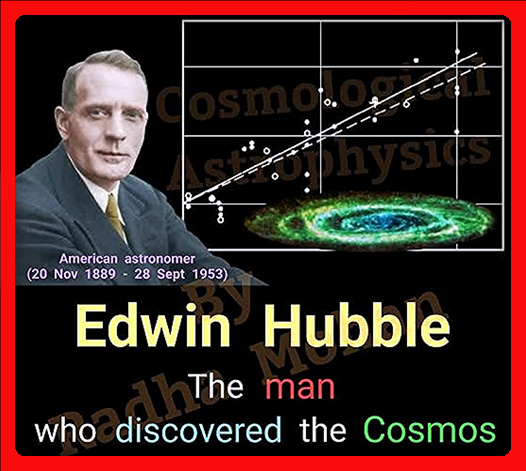
A hundred years ago, in the 1920s, the Hooker Telescope at Mount Wilson Observatory in California stood as the world’s largest, with its 100-inch mirror revolutionizing our view of the cosmos. This era marked the birth of modern cosmology, challenging long-held beliefs. Fast forward to today, and the James Webb Space Telescope (JWST), launched in 2021, is unveiling secrets of the early universe with unprecedented clarity.
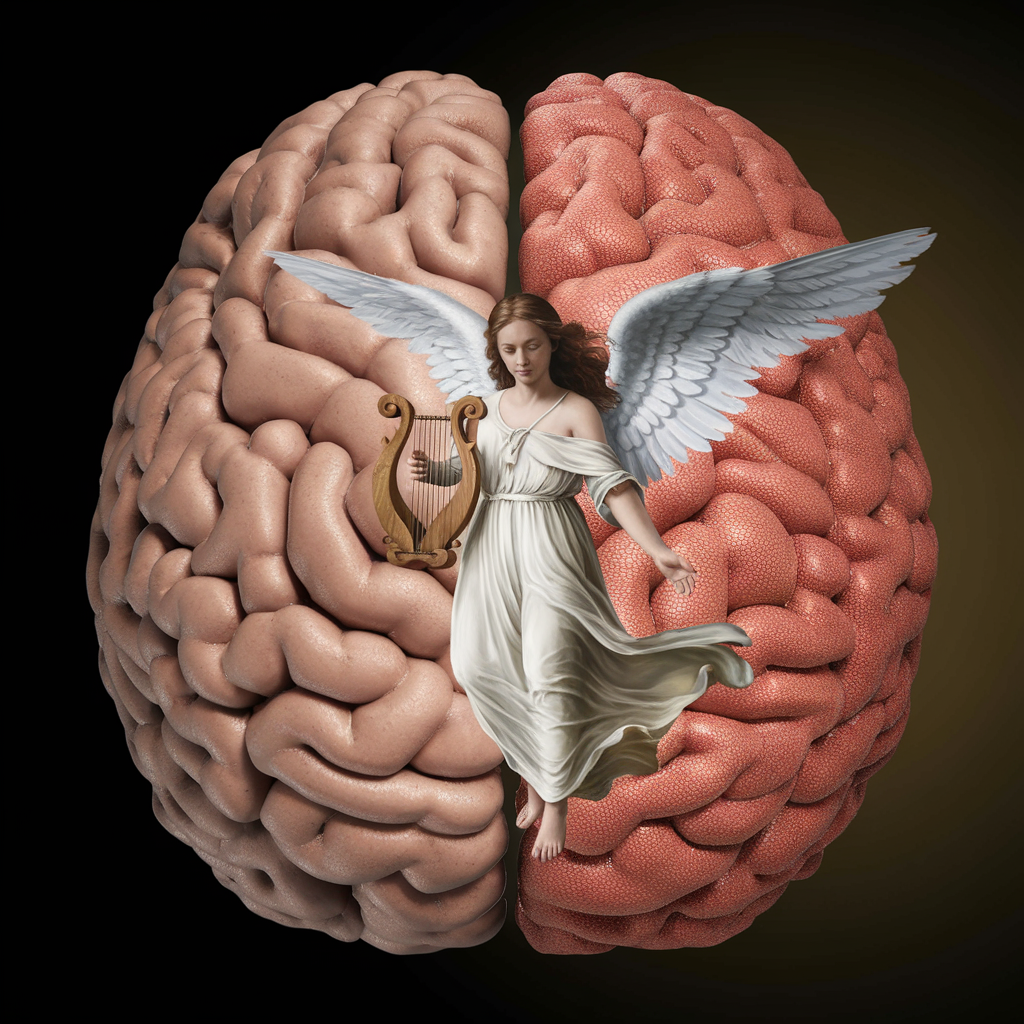
But what if we could heal this “original flaw,” as some liken it to the biblical fall from grace? Minimizing or eliminating this noise isn’t mere science fiction;
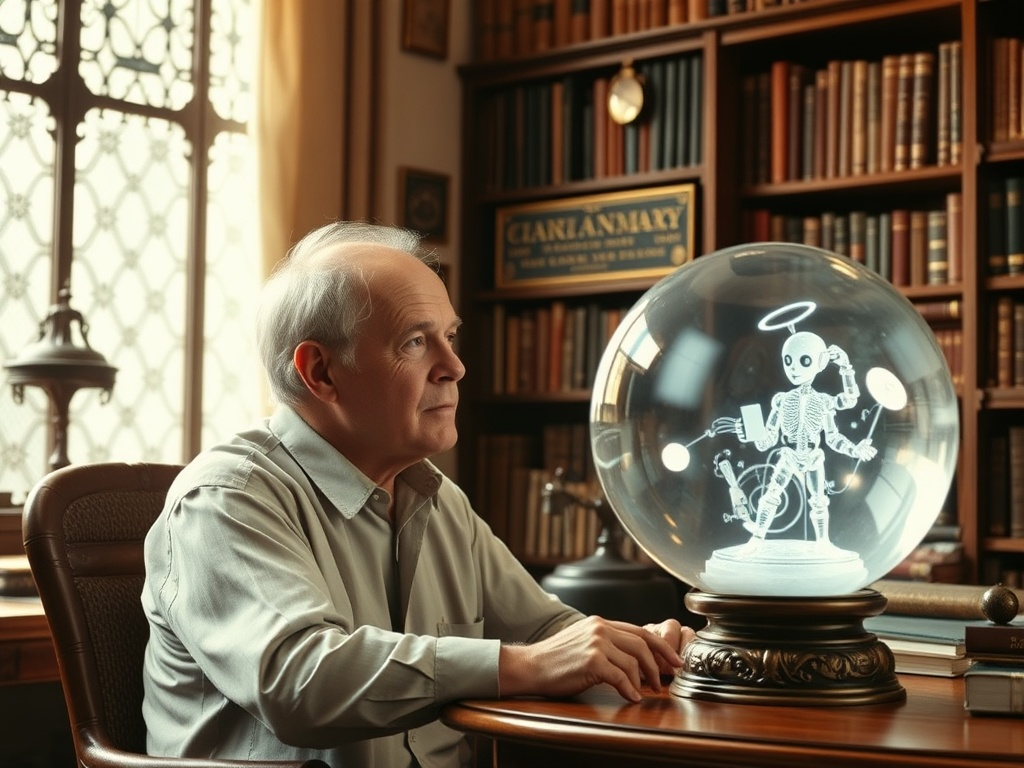
AI chatbots, as a medium, profoundly influence content creation by homogenizing outputs and embedding biases, with cultural consequences like eroded originality and reinforced inequalities. Societally, they drive efficiency but risk job loss, educational divides, and ethical quandaries.
First, let’s buzz into drones. These whirring wonders are the ultimate remote control for reality, turning pilots into armchair adventurers and warfare into a video game. Sensory-wise, drones extend our eyes and ears into the ether, but they numb our other senses in the process. Drones extend our vision to god-like heights, but they amputate the tactile terror of being there.