Introduced in The Global Village’s explorations of media ecology, the McLuhan Tetrad isn’t just a checklist; it’s a dynamic dance of effects that any new medium unleashes upon the world. Picture it as a mandala with four quadrants:

Trifles, Light as Air
Introduced in The Global Village’s explorations of media ecology, the McLuhan Tetrad isn’t just a checklist; it’s a dynamic dance of effects that any new medium unleashes upon the world. Picture it as a mandala with four quadrants:
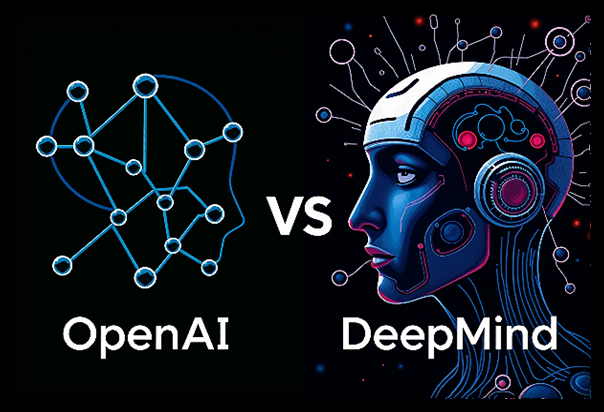
In the ever-accelerating world of technology, few developments spark as much fascination and debate as artificial intelligence (AI). At its pinnacle lies Artificial General Intelligence (AGI)—a hypothetical form of AI that could understand, learn, and apply knowledge across any intellectual task at or beyond human levels.
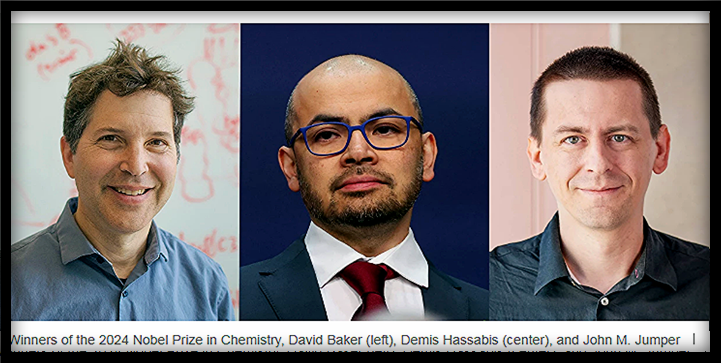
AI’s trajectory—from AlphaGo’s boardroom conquests to ChatGPT’s conversational prowess—heralds a new era. OpenAI and DeepMind’s advancements propel us toward AGI, while applications in medicine, education, and science promise unprecedented progress. Yet, as Hawking and Russell remind us, wisdom must guide power.
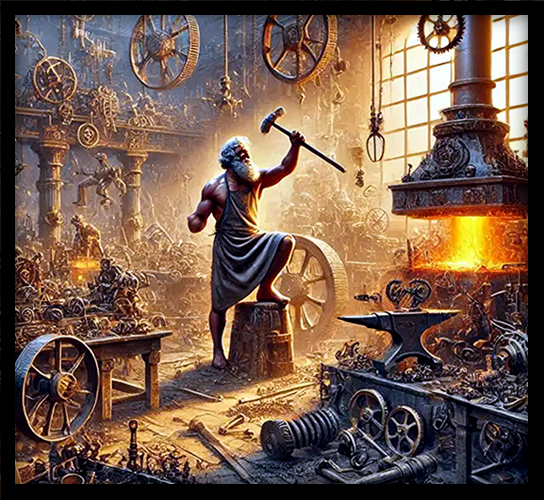
The ambition to create intelligent machines is not a product of the digital age. It is an idea woven into the fabric of human civilization itself. From the mythological automata of ancient Greece — Hephaestus forging golden handmaidens endowed with reason — to the medieval legends of alchemical beings, humanity has long dreamed of breathing intelligence into the inanimate.
AI chatbots, as a medium, profoundly influence content creation by homogenizing outputs and embedding biases, with cultural consequences like eroded originality and reinforced inequalities. Societally, they drive efficiency but risk job loss, educational divides, and ethical quandaries.
The medium isn’t neutral; it imposes its own logic and biases, often overshadowing the intended message. This idea challenges us to look beyond what is said to how it’s delivered. McLuhan used examples like the electric light bulb—not for its “content” of illumination, but for enabling entirely new patterns of human activity, such as night shifts and 24-hour economies.