Portrait of Canadian politician Pierre Poilievre.

Why Canada’s Trade Surplus Does Not Mean Exploitation

This article is based on a speech by the Leader of the Conservative Party of Canada, The Honourable Mr. Pierre Poilievre, MP. The purpose of the article is to look at the trade imbalance between Canada and the United States, to explain why a bilateral surplus does not equal exploitation, and to connect trade tensions to broader issues in defence and diplomacy.

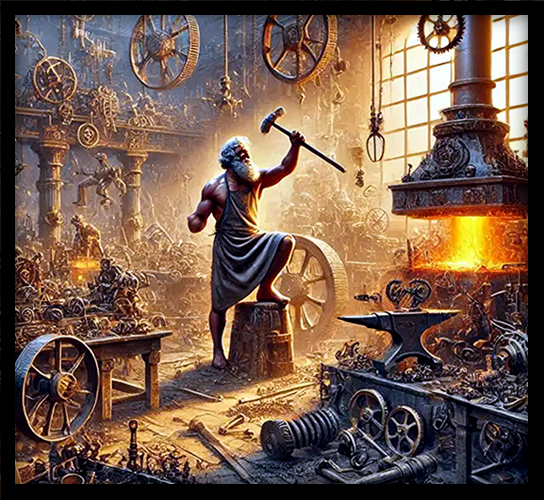
Classical depiction of the Greek god Hephaestus.

The Rise of the Thinking Machine: A History of Artificial Intelligence

The ambition to create intelligent machines is not a product of the digital age. It is an idea woven into the fabric of human civilization itself. From the mythological automata of ancient Greece — Hephaestus forging golden handmaidens endowed with reason — to the medieval legends of alchemical beings, humanity has long dreamed of breathing intelligence into the inanimate.

Anatomical diagram of the brain's corpus callosum.

The Corpus Callosum: Bridge of the Brain

When compared to other mammals, the human corpus callosum is relatively small in size, a surprising trait given our advanced cognitive abilities. While absolutely large (about 10 cm long and 1-2 cm thick), it’s undersized relative to our expansive neocortex. In chimpanzees, our closest relatives, the corpus callosum is larger relative to their smaller brains.

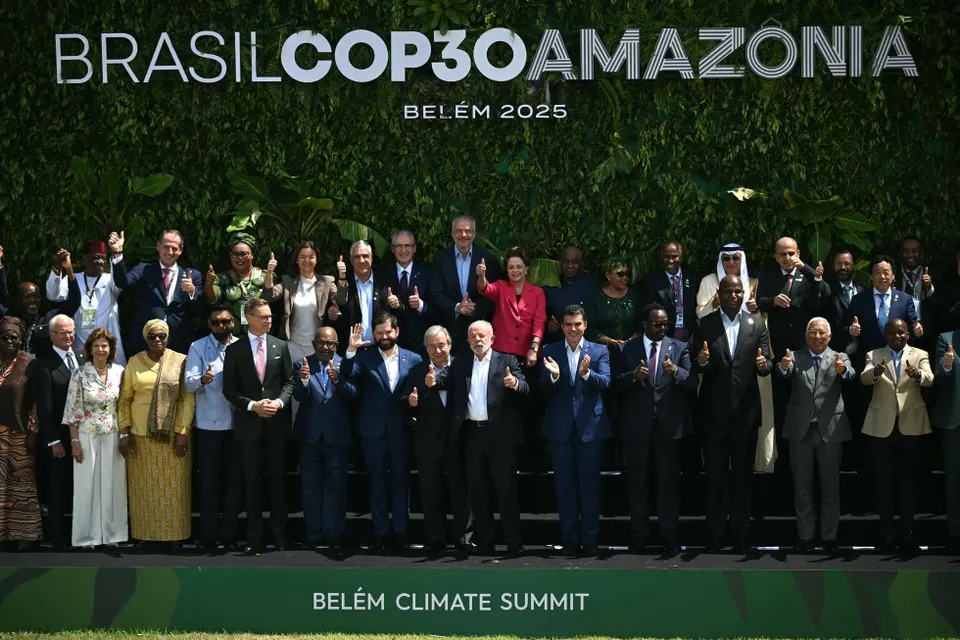
Official graphic for the COP30 climate summit.

Shifting Sands of Climate Orthodoxy in the Age of AI

For over three decades, the prevailing view on climate change has shaped global policies and public opinion. The central idea was clear: human activity, particularly in Western nations, was driving catastrophic environmental shifts through carbon emissions. Yet, recent developments have begun to challenge this long-held stance.

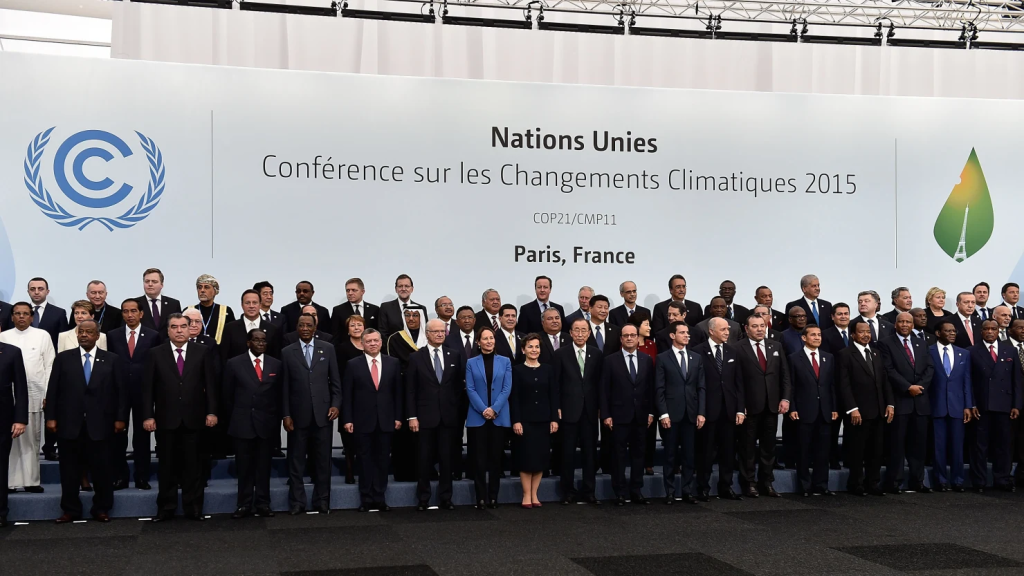
Image representing the 2015 Paris Climate Accord 2015.

The Ratchet Mechanism in the Paris Climate Accord: A Subtle Erosion of National Sovereignty

The “ratchet mechanism” is a central, yet often understated, feature of the Paris Climate Accord, designed to ensure that global emissions reductions progressively tighten over time. Unlike traditional treaties with fixed targets, the Accord’s structure relies on Nationally Determined Contributions (NDCs), where countries voluntarily submit their own emission reduction pledges every five years.

Climate change activist standing with a torn Canadian flag.

National Sovereignty VS The Climate Change Agenda

In the glittering halls of international diplomacy, the Paris Climate Accord of 2015 was hailed as a landmark achievement—a united front against the existential threat of climate change. Ratified by 196 parties, it commits nations to limit global warming to well below 2°C, preferably 1.5°C, above pre-industrial levels. On the surface, it’s a noble endeavor, fostering cooperation to curb greenhouse gas emissions. But peel back the layers, and a darker reality emerges: the Accord is profoundly anti-democratic.