Predicted in the 1950s by physicist Winfried Otto Schumann, the Schumann Resonance wasn’t mere theory; it pulsed into reality soon after, captured by sensitive antennas as faint, spectral peaks in the extremely low-frequency band.


Trifles, Light as Air
Predicted in the 1950s by physicist Winfried Otto Schumann, the Schumann Resonance wasn’t mere theory; it pulsed into reality soon after, captured by sensitive antennas as faint, spectral peaks in the extremely low-frequency band.
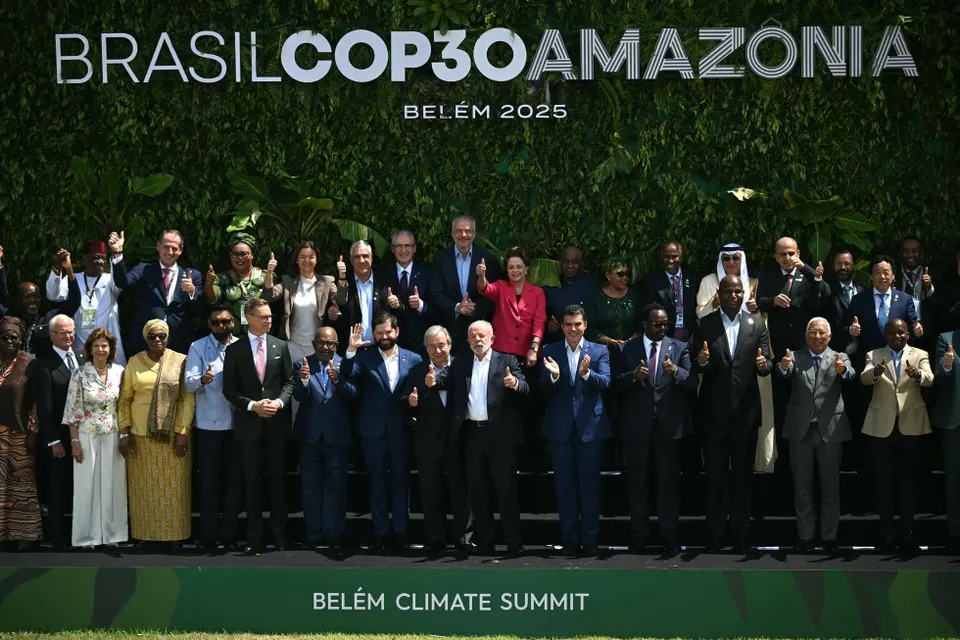
For over three decades, the prevailing view on climate change has shaped global policies and public opinion. The central idea was clear: human activity, particularly in Western nations, was driving catastrophic environmental shifts through carbon emissions. Yet, recent developments have begun to challenge this long-held stance.
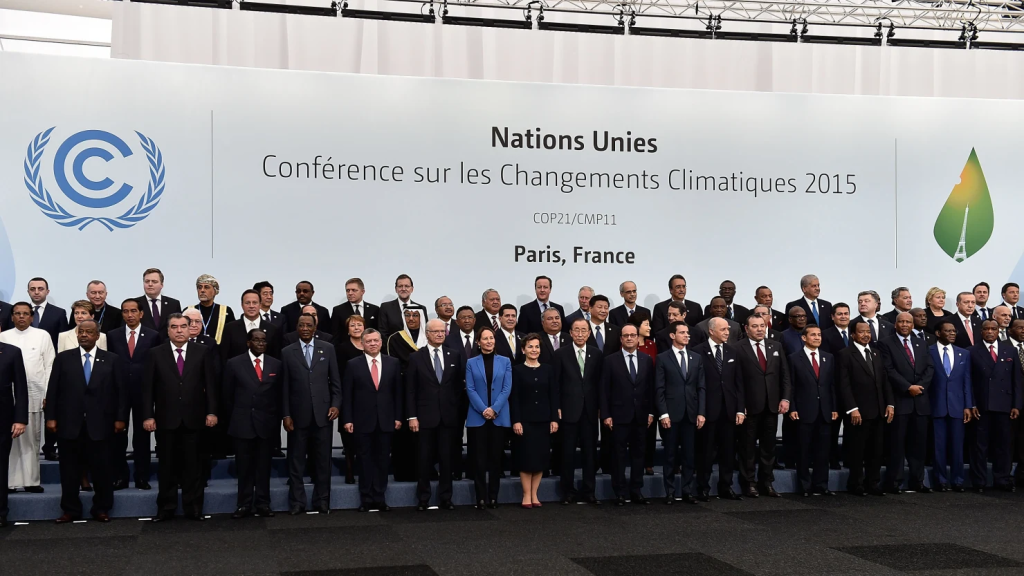
The “ratchet mechanism” is a central, yet often understated, feature of the Paris Climate Accord, designed to ensure that global emissions reductions progressively tighten over time. Unlike traditional treaties with fixed targets, the Accord’s structure relies on Nationally Determined Contributions (NDCs), where countries voluntarily submit their own emission reduction pledges every five years.

In the glittering halls of international diplomacy, the Paris Climate Accord of 2015 was hailed as a landmark achievement—a united front against the existential threat of climate change. Ratified by 196 parties, it commits nations to limit global warming to well below 2°C, preferably 1.5°C, above pre-industrial levels. On the surface, it’s a noble endeavor, fostering cooperation to curb greenhouse gas emissions. But peel back the layers, and a darker reality emerges: the Accord is profoundly anti-democratic.