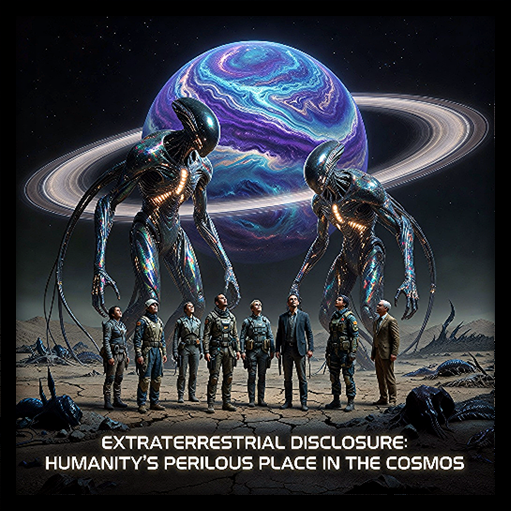
Conceptual artwork representing space disclosure (Variant).

Extraterrestrial Disclosure Part 2: Earthly Realities and Extraterrestrial Perspectives

Humanity stands at a crossroads of ingenuity and peril, a species capable of breathtaking innovation yet plagued by primal instincts that threaten its own survival and beyond. We are, in essence, primitive, savage, and dangerous—traits that manifest in our history, our societies, and our interactions with the world.

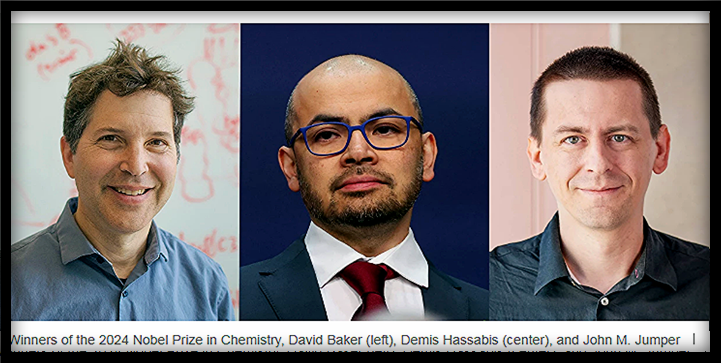
Portrait of the 2024 Nobel Laureates in Science.

AI’s Transformative Applications: Medicine, Education, and Beyond

AI’s trajectory—from AlphaGo’s boardroom conquests to ChatGPT’s conversational prowess—heralds a new era. OpenAI and DeepMind’s advancements propel us toward AGI, while applications in medicine, education, and science promise unprecedented progress. Yet, as Hawking and Russell remind us, wisdom must guide power.

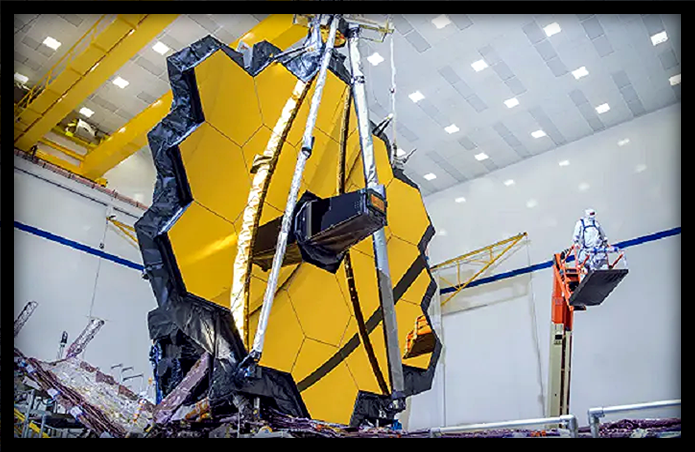
The James Webb Space Telescope (JWST) in space.

JWST Discoveries That Shook the Stars

Imagine holding a mirror up to the universe’s infancy, a gleaming eye that pierces through the velvet curtain of space-time. That’s the James Webb Space Telescope (JWST), launched in 2021 and humming to life in 2022, like a cosmic storyteller awakening from a long slumber. Suspended 1.5 million miles from Earth, this golden marvel doesn’t just snap photos; it captures the faint echoes of light that have traveled billions of years to reach us.

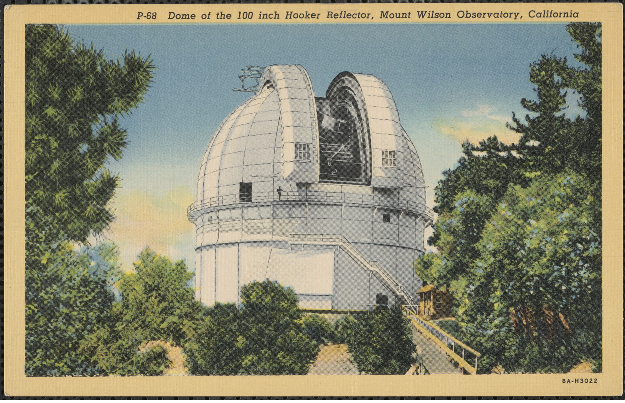
Close-up view of the 100-inch Hooker Telescope.

The Evolution of Astronomical Telescopes: A Century of Cosmic Vision

The past century has witnessed an extraordinary transformation in astronomical telescopes, evolving from massive ground-based behemoths limited by Earth’s atmosphere to sophisticated space-faring instruments that peer into the universe’s deepest secrets. This journey, spanning from the aftermath of World War I to the present day, reflects humanity’s relentless quest to understand the cosmos.

Illustration of Biological Quantum Computing.

Quantum Breakthroughs: Biological Qubits

Building on photonic advancements discussed in the previous article, a parallel quantum revolution is unfolding at the intersection of biology and quantum mechanics. Researchers at the University of Chicagohave developed biological qubits using fluorescent proteins derived from jellyfish. This innovation bypasses traditional quantum computing hurdles like cryogenic cooling and vacuum isolation, leveraging nature’s molecular machinery for quantum operations at room temperature.