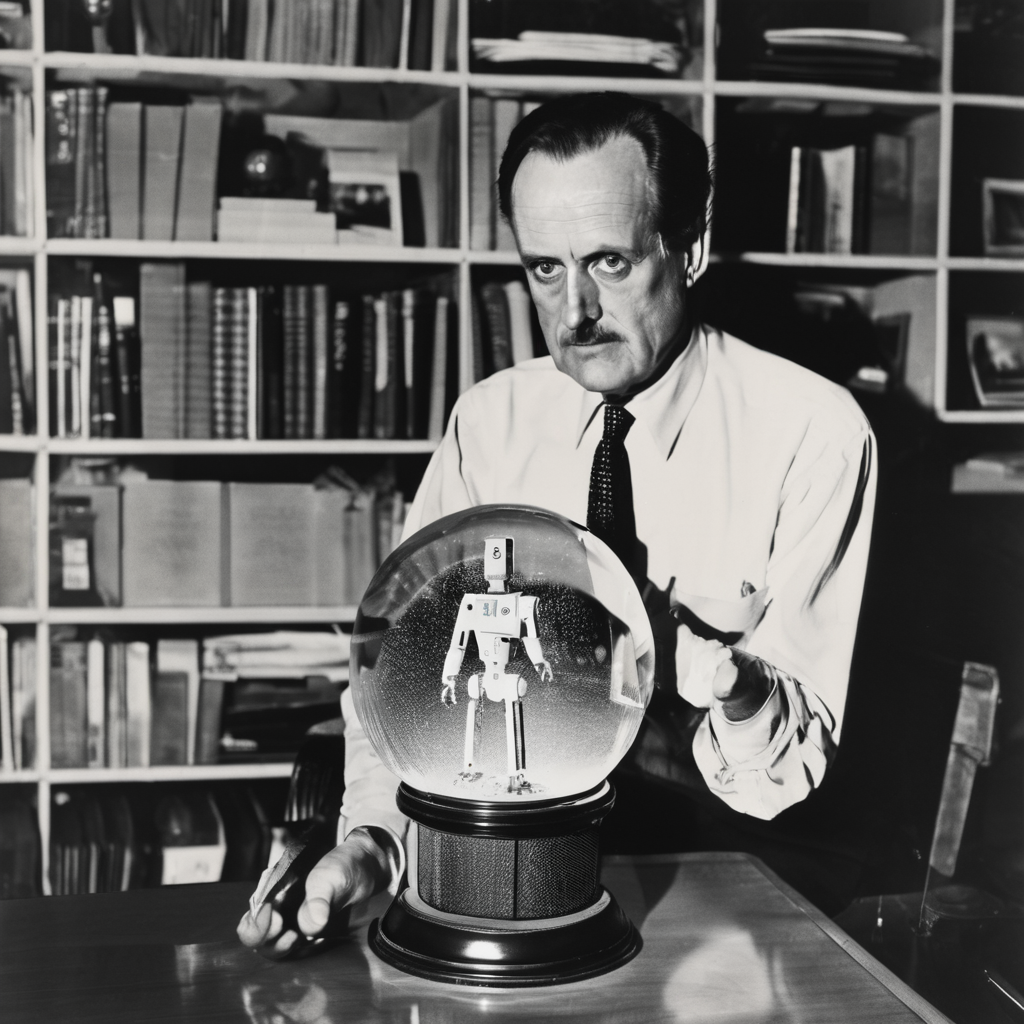
A classic photograph of media theorist Marshall McLuhan.

The Tetrad of Robotics: McLuhan’s Lens on a Transforming Industry (Part 3)

In an era where robots assemble cars, perform surgeries, and even compose music, the rapid evolution of robotics technology feels both exhilarating and inevitable. Yet, as these machines infiltrate every corner of our lives, it’s worth pausing to ask: What deeper patterns emerge from this shift?
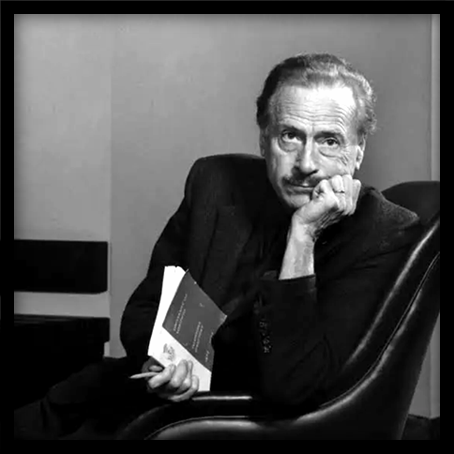
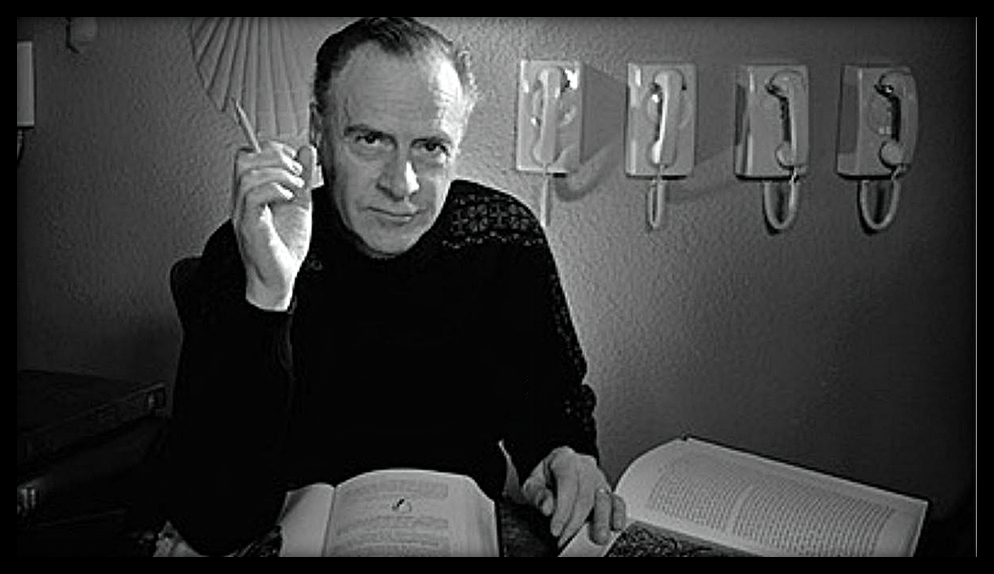
Iconic portrait of Marshall McLuhan by Yousuf Karsh.

Narcissus Narcosis: McLuhan’s Warning in the Age of AI

Marshall McLuhan’s concept of “narcissus narcosis” is one of the most intriguing and cautionary ideas in his media theory, particularly as outlined in his 1964 book Understanding Media: The Extensions of Man. Drawing from the Greek myth of Narcissus—a beautiful youth who falls in love with his own reflection in a pool of water, mistaking it for another being—McLuhan uses this metaphor to describe a psychological and perceptual state induced by media technologies.

Artistic portrait of Marshall McLuhan.

The Medium is the Message: McLuhan’s Timeless Insight in the Age of Automation and Robotics

In the realm of media theory, few phrases have resonated as profoundly as “The medium is the message.” Coined by the Canadian philosopher and media theorist Marshall McLuhan (1911-1980), this concept posits that the form or channel through which information is conveyed—the medium—exerts a far greater influence on society and human perception than the content itself.