

The relationship between the United States and Canada has long been described as one of the closest bilateral partnerships in the world—defined by deep economic integration, military cooperation, and shared democratic values. However, as of 2025–2026, this relationship is undergoing one of its most turbulent periods in decades. While institutional ties remain strong, political tensions, trade disputes, and shifting security priorities have introduced new uncertainty into what was once considered a stable alliance.
This article examines the current state of U.S.–Canada relations across four key dimensions: politics, economics, military cooperation, and security.
Political Relations: The Strain
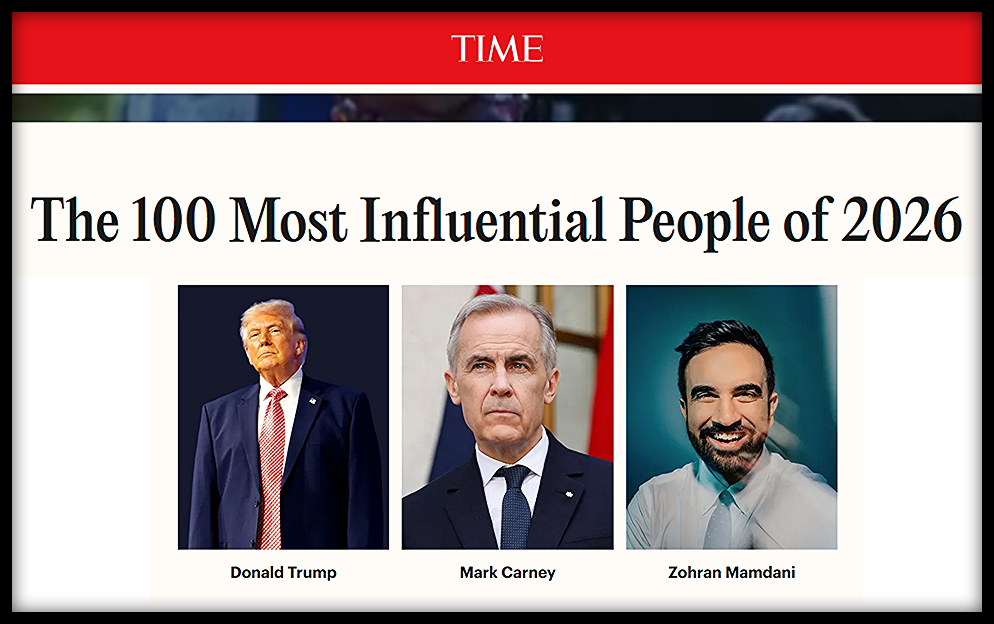
Politically, U.S.–Canada relations have deteriorated significantly in recent years. The election of Prime Minister Mark Carney in 2025 marked a turning point, as his government adopted a more assertive stance toward Washington, particularly in response to the policies of U.S. President Donald Trump. The most notable source of tension has been rhetoric and policy decisions from the United States. President Trump has repeatedly suggested the possibility of Canada becoming the “51st state,” a statement widely rejected across the Canadian political spectrum. In response, Carney has emphasized Canadian sovereignty, famously stating that “Canada is not for sale.”
Beyond rhetoric, policy disagreements have intensified. Carney has described the bilateral relationship as fundamentally altered, signaling what some analysts consider the end of the traditional “special relationship.” At the same time, Canada has begun exploring a diversification strategy—strengthening ties with Europe and Asia to reduce reliance on the United States. This reflects a broader shift in Canadian foreign policy, driven by concerns over unpredictability in U.S. leadership.
Despite these tensions, cooperation has not completely broken down. Diplomatic engagement continues, and both countries still coordinate on global issues such as Iran and Arctic policy, albeit with occasional disagreements over methods and legality.
Economic Relations: Deep Integration, Growing Conflict
Economically, the United States and Canada remain highly interdependent. The two countries share one of the largest trading relationships in the world, with approximately $3.6 billion in goods and services crossing the border daily. However, this interdependence has not prevented serious conflict. The 2025–2026 trade war represents the most significant economic rupture in decades. The United States imposed sweeping tariffs—up to 25% on many Canadian goods—prompting Canada to retaliate with its own tariffs. Although much trade remains protected under the United States–Mexico–Canada Agreement (USMCA), the broader climate has become increasingly adversarial. Negotiations were even suspended in late 2025, further deepening uncertainty.
The economic conflict has also had social consequences. A widespread Canadian boycott of U.S. products and travel emerged in response to tariffs and political tensions, reflecting a significant shift in public opinion. Surveys suggest that a large majority of Canadians now support reducing dependence on the United States. At the same time, economic realities continue to bind the two countries together. Supply chains—particularly in energy, automotive manufacturing, and agriculture—remain deeply integrated. Canada is still the largest foreign supplier of energy to the United States, and both economies rely heavily on cross-border investment.
In short, while economic ties remain structurally strong, the political environment has made them more fragile than at any point in recent history.
Military Cooperation: Enduring but Evolving
Despite political and economic tensions, military cooperation between the United States and Canada remains robust. The two countries are longstanding allies, working closely through institutions such as the North American Aerospace Defense Command (NORAD) and NATO. NORAD modernization is a key area of ongoing collaboration, reflecting shared concerns about emerging threats such as hypersonic weapons and Arctic security. Canada has also committed to increasing its defense spending to meet NATO’s 2% GDP target, signaling its intent to remain a credible partner in collective defense.
However, there are signs of divergence. Canada has begun to reduce its reliance on U.S. military equipment and defense industries. New policies aim to boost domestic production and expand partnerships with European allies. This shift reflects both strategic and political considerations. On one hand, Canada seeks greater autonomy in defense procurement. On the other, it is responding to concerns about U.S. reliability as a partner under shifting political leadership.
Still, cooperation continues in practice. Joint missions, intelligence sharing, and participation in multinational operations remain central features of the relationship. For example, Canada continues to support U.S. objectives in preventing nuclear proliferation, even when it expresses reservations about specific actions.
Security Relations: Shared Threats, New Frictions
In terms of security, the United States and Canada maintain one of the closest partnerships in the world. Cooperation spans border management, counterterrorism, cybersecurity, and law enforcement. The two countries share the longest international border globally, with hundreds of thousands of people crossing daily. This necessitates extensive coordination to manage risks such as smuggling, organized crime, and irregular migration. Cybersecurity and critical infrastructure protection have also become key areas of collaboration. Both governments are working together to address threats from state and non-state actors, reflecting the increasing importance of digital security.
However, new challenges are emerging. The Arctic is becoming a major strategic frontier due to climate change, resource competition, and geopolitical rivalry. U.S. and Canadian interests largely align in maintaining stability in the region, but broader tensions with allies and global powers are complicating coordination. Additionally, differences in foreign policy approaches—such as Canada’s emphasis on multilateralism versus more unilateral U.S. actions—have created occasional friction. Canada has supported U.S. strategic goals in some cases, but has also expressed concern when actions appear inconsistent with international law.
Conclusion: A Relationship in Transition
The current state of U.S.–Canada relations can best be described as paradoxical. On one hand, the two countries remain deeply interconnected through trade, defense, and shared geography. On the other, political tensions and economic disputes have introduced a level of strain not seen in decades.
The relationship is no longer defined by unquestioned alignment. Instead, it is entering a more complex phase characterized by both cooperation and competition. Canada is actively seeking to diversify its partnerships and assert greater independence, while the United States is pursuing a more unilateral and protectionist approach.
Looking ahead, the future of the relationship will likely depend on political leadership, the resolution of trade disputes, and the ability of both countries to adapt to a changing global order. While the foundations of cooperation remain strong, the trajectory suggests that U.S.–Canada relations are evolving into a more pragmatic—and potentially more fragile—partnership.
(Remember the 1970s? Listen to this nine minute audiotape comparing twenty lifestyle changes over the last half-century. Not a nine minute nostalgia trip, this audiotape will set you thinking.)

This article was generated (mostly) by the Grok 4 A.I. Model https://x.ai/grok

PAPERBACK RETAILERS
Amazon
Books A Million
Alibris
Abe Books
Bookshop
also available at Ingram Content Group, NACSCORP, Baker & Taylor

Get GO the Amazon Kindle Edition here!
Ladies and Gentlemen of the Theatre…. A Comedy of Absurdities!
Step through the looking glass with this revolutionary new play. GO takes your average night at the theatre and throws it out the window.
Filled with wit, slapstick, satire, insight and backbite, GO packs entertainment for all. Audiences will be charmed by the quirky characters who come and go throughout GO’s four imaginative acts. This mind-bending script inspires truly visionary direction, and rewards actors with an array of emotionally compelling roles. You can trust GO to deliver an unforgettable night at the theatre.