
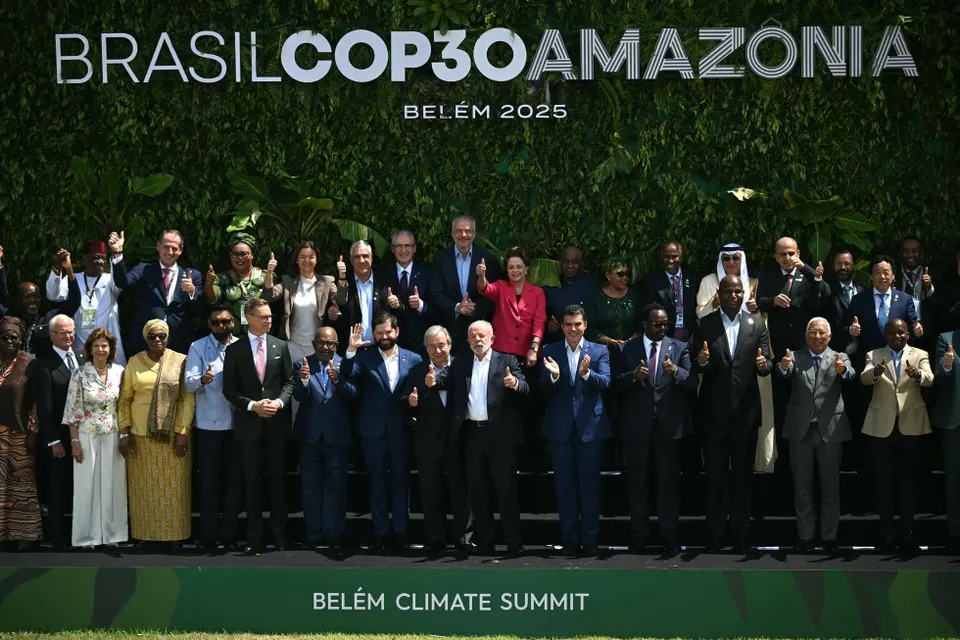
(This is the third article on present-day climate change issues.
To read the previous article go here.)
For over three decades, the prevailing view on climate change has shaped global policies and public opinion. The central idea was clear: human activity, particularly in Western nations, was driving catastrophic environmental shifts through carbon emissions. This perspective urged a swift transition from fossil fuels to renewable sources like wind and solar power. It seemed an unshakable truth, guiding economic and social strategies worldwide.
Yet, recent developments have begun to challenge this long-held stance. Questions are emerging, not just from fringe voices but from influential figures and broader public sentiments. The once-dominant narrative is now facing scrutiny as new realities—technological, geopolitical, and economic—come into play. Could this mark the beginning of a significant shift?
Overview of the Long-Standing Climate Orthodoxy
The foundation of climate discourse has been rooted in the belief that industrial activities, primarily in developed nations, are the main culprits behind global warming. Initially termed “global warming,” the phrase evolved to “climate change” to encompass a wider range of temperature extremes, whether hot or cold. The argument pinned these fluctuations on human-induced carbon emissions, pushing for drastic economic reforms to curb fossil fuel use.
This viewpoint dominated for years, backed by scientific reports and political agendas. It framed Western industrialization as the historical driver of environmental harm, suggesting that only a radical overhaul of energy systems could prevent disaster. Renewable energy sources were positioned as the sole viable path forward, despite their challenges in scalability and reliability.
Lately, however, cracks have appeared in this narrative. Skepticism is growing, fueled by inconsistencies in data and the short span of reliable temperature records—barely 150 years compared to the planet’s 4 billion-year history. Cyclical temperature changes, evident even in this brief window, raise questions about attributing all extremes to human activity.
Public and political voices are now openly challenging the urgency of the crisis. Influential figures have started to question whether the economic sacrifices demanded by green policies are justified. This shift isn’t just academic—it’s reshaping how societies view the balance between environmental goals and practical needs.
A major catalyst for this changing perspective is the rise of artificial intelligence (AI). Often hailed as a transformative force akin to the Industrial Revolution, AI’s development is placing unprecedented stress on global energy systems. The implications for climate and energy policies are profound.
Unprecedented Electricity Needs for AI Development
AI technologies require vast amounts of electricity to power data centers and complex algorithms. Pioneers in the field have highlighted a staggering need: the equivalent of 100 one-gigawatt power plants—comparable to large nuclear reactors—must be built annually to sustain AI’s growth. This demand is unlike anything seen before, outpacing current infrastructure capabilities.
Meeting this need through traditional renewable sources alone seems improbable. The scale and immediacy of AI’s energy requirements are forcing a reevaluation of how power generation is approached on a global scale.
Wind turbines and solar panels, long championed as the future of energy, fall short in addressing AI’s immense needs. Their intermittent nature and high costs pose significant hurdles. Subsidies for these technologies have not delivered the expected results, prompting calls for alternative solutions like clean coal or natural gas to bridge the gap. The reality is stark: without a diverse energy mix, technological progress could stall.
Beyond technology, geopolitical dynamics are also reshaping the climate conversation. Energy production and policy are deeply tied to global power struggles, influencing how nations prioritize environmental goals versus strategic interests.
Role of Fossil Fuel Production in Global Politics
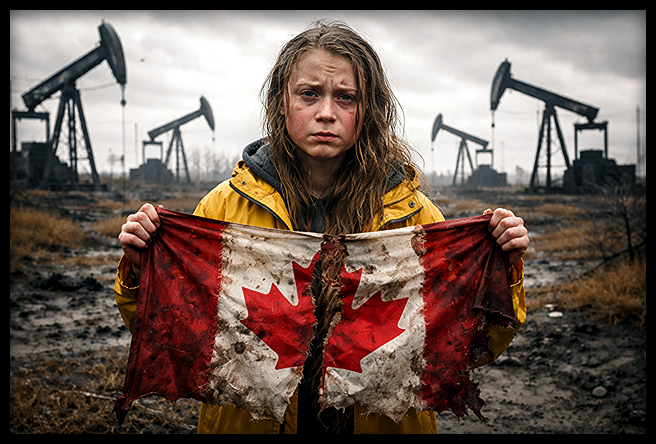
Fossil fuels remain a cornerstone of geopolitical leverage. Nations like Russia and Iran rely heavily on oil exports to fund military and political ambitions. In contrast, the United States, having surged to become the world’s largest fossil fuel producer, uses this position to influence global oil prices, benefiting allies in Europe and Japan while pressuring adversaries. Energy policy, thus, is not just about the environment—it’s a tool of international strategy.
China’s approach to energy and climate policy reveals a calculated duality. While advocating for reduced emissions globally, it aggressively builds coal and nuclear plants to secure affordable, reliable power for its industries. Simultaneously, it exports subsidized solar panels and wind turbines, often undercutting Western competitors and fostering dependency. This strategy strengthens China’s economic edge while the US grapples with balancing green rhetoric and energy independence. The interplay of these actions highlights the complex motives behind climate policies.
A growing chorus of doubt is amplifying the shift in climate discourse. From influential individuals to everyday citizens, the pushback is becoming harder to ignore. Prominent personalities are now openly challenging the narrative of an imminent climate catastrophe. High-profile voices, including tech leaders and political figures, argue that the crisis may be overstated. Their statements reflect a broader reassessment of whether drastic measures are truly necessary, especially when weighed against economic stability.
Grassroots skepticism is also on the rise. Failed projects—such as California’s high-speed rail and solar plants that have been dismantled—fuel public frustration. Political shifts, particularly in the US, show a move away from heavy subsidies for renewables, with leaders prioritizing energy security over ideological commitments. This resistance signals a demand for more pragmatic approaches.
Third World Perspectives on Climate Responsibility
Developing nations add another layer of complexity to the climate debate. Their stance often contrasts sharply with that of industrialized countries, focusing on historical accountability and current disparities. Countries in Latin America, Africa, and Asia argue that the West bears primary responsibility for environmental damage due to early industrialization. They demand financial reparations, asserting that their late entry into industrial development exempts them from stringent emission cuts. This perspective frames climate policy as a matter of justice, not just science.
The frustration in these regions is palpable. While nations like China and India are major emitters today, the historical burden of emissions lies with the West. Developing countries rely on Western technology and products—often produced using fossil fuels—yet face pressure to limit their own growth. This imbalance fuels calls for a fairer distribution of responsibility.
Criticism of climate advocacy often centers on the disconnect between rhetoric and action. This perceived double standard undermines trust in the movement. High-profile advocates frequently face scrutiny for personal choices that contradict their public stances. Owning seaside properties while warning of rising oceans (Al Gore), or using private jets while decrying carbon footprints (John Kerry, Princes Harry $ William), erodes credibility. Such actions suggest a gap between the sacrifices demanded of the public and the lifestyles of those leading the charge.
Green policies often hit hardest at the local level. In areas like California, soaring electricity costs—driven by renewable mandates—burden low-income households unable to afford basic cooling during heatwaves. The contrast with milder coastal regions, where such policies are often crafted, highlights an uneven impact. This disparity fuels resentment and questions the fairness of current strategies.
Conclusion and Future Directions
The climate narrative is at a crossroads. Balancing technological advancements like AI with environmental aspirations requires fresh thinking. The energy demands of innovations like AI underscore the need for a practical energy mix. Relying solely on renewables isn’t feasible in the short term. Integrating cleaner fossil fuel options and nuclear power may offer a bridge while sustainable technologies mature.
It’s time to rethink climate approaches with honesty. Acknowledging geopolitical motives, public skepticism, and global inequities can lead to more balanced policies. The goal should be progress that doesn’t sacrifice economic stability or fairness. Only then can a sustainable future be built.
This article was generated (mostly) by the Grok 4 A.I. Model https://x.ai/grok
FREE DOWNLOAD
The Climate Change Movement
Its science, economics, politics & consciousness.
From the UN IPCC to skeptic climate sciences,
stakeholder $$$ trails to international treaties,
from Walden Pond to the Vatican,
gain a full spectrum view of the issues.
Download this 36 page PDF excerpt from my book!
II. The Climes They Are A Changin- HERE!