Marshall McLuhan with a futuristic car concept.

The Medium is the Message: McLuhan’s Timeless Quip Takes Flight in the Age of Drones and Flying Cars

First, let’s buzz into drones. These whirring wonders are the ultimate remote control for reality, turning pilots into armchair adventurers and warfare into a video game. Sensory-wise, drones extend our eyes and ears into the ether, but they numb our other senses in the process. Drones extend our vision to god-like heights, but they amputate the tactile terror of being there.

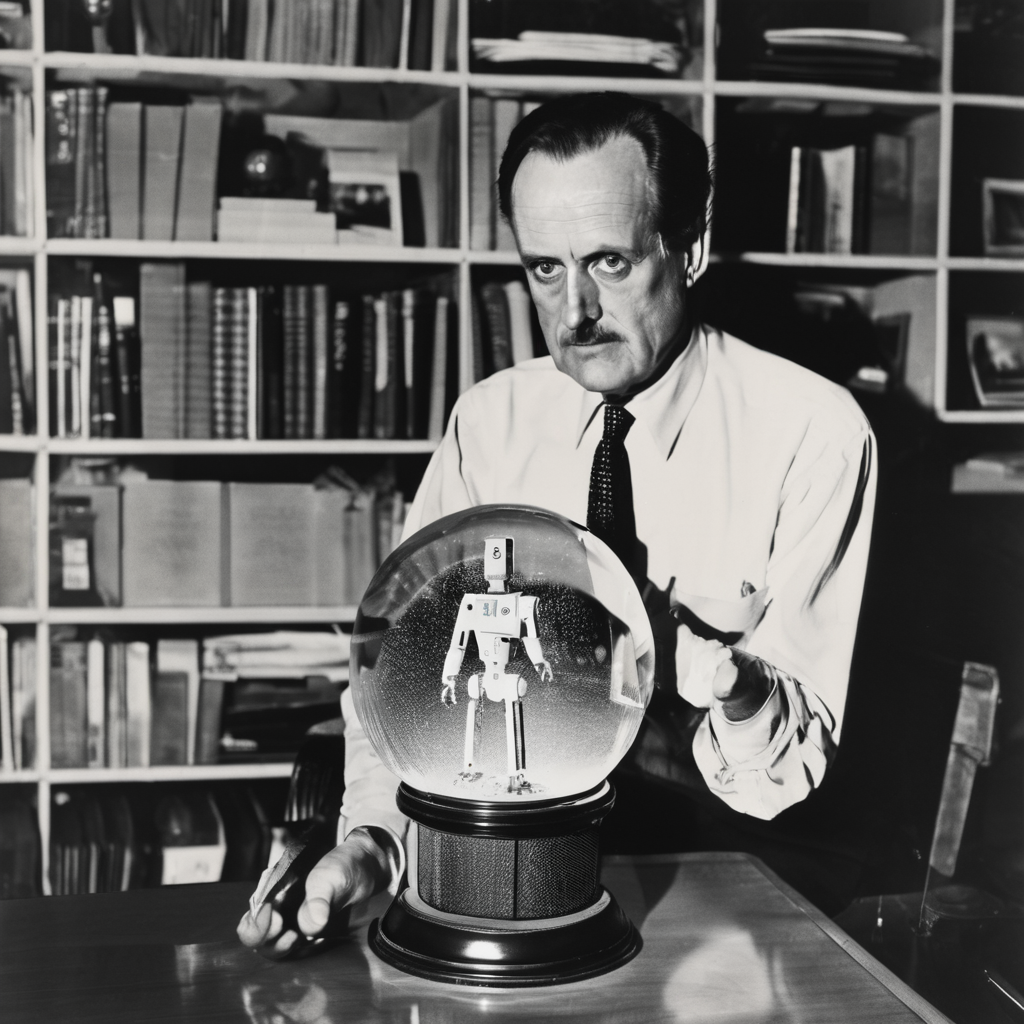
Artistic portrait of Marshall McLuhan.

The Medium is the Message: McLuhan’s Timeless Insight in the Age of Automation and Robotics

In the realm of media theory, few phrases have resonated as profoundly as “The medium is the message.” Coined by the Canadian philosopher and media theorist Marshall McLuhan (1911-1980), this concept posits that the form or channel through which information is conveyed—the medium—exerts a far greater influence on society and human perception than the content itself.

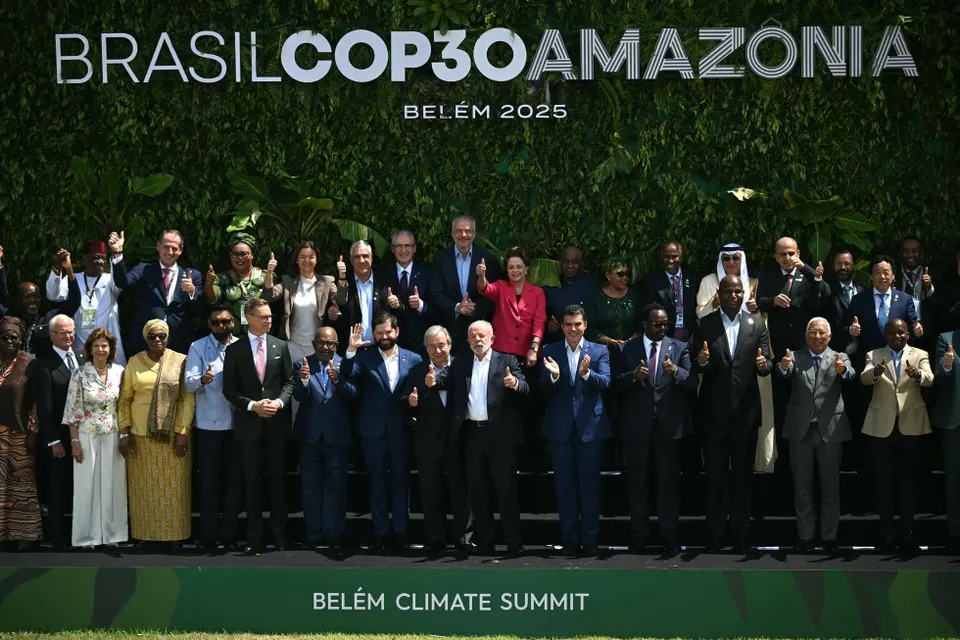
Official graphic for the COP30 climate summit.

Shifting Sands of Climate Orthodoxy in the Age of AI

For over three decades, the prevailing view on climate change has shaped global policies and public opinion. The central idea was clear: human activity, particularly in Western nations, was driving catastrophic environmental shifts through carbon emissions. Yet, recent developments have begun to challenge this long-held stance.

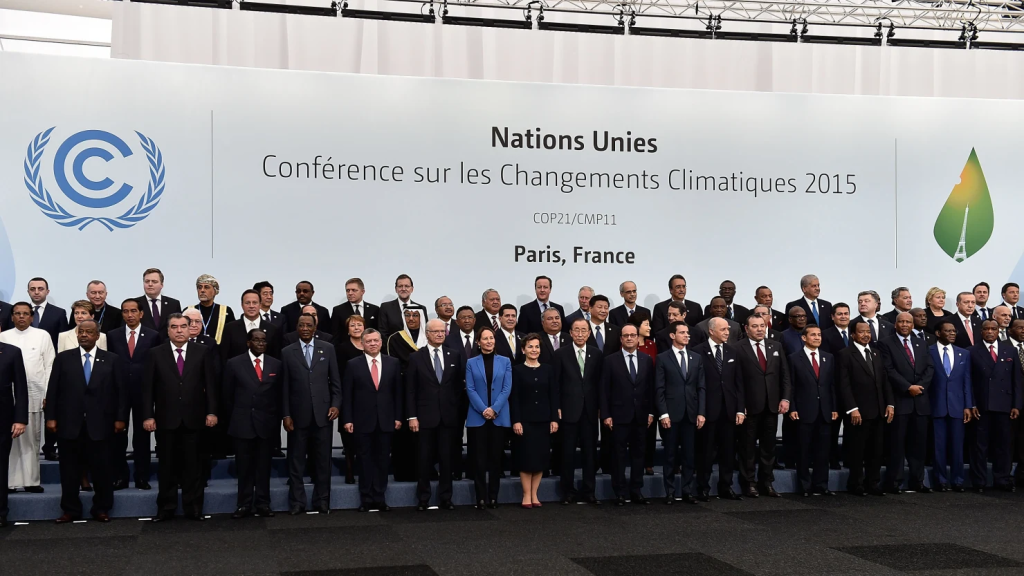
Image representing the 2015 Paris Climate Accord 2015.

The Ratchet Mechanism in the Paris Climate Accord: A Subtle Erosion of National Sovereignty

The “ratchet mechanism” is a central, yet often understated, feature of the Paris Climate Accord, designed to ensure that global emissions reductions progressively tighten over time. Unlike traditional treaties with fixed targets, the Accord’s structure relies on Nationally Determined Contributions (NDCs), where countries voluntarily submit their own emission reduction pledges every five years.

Climate change activist standing with a torn Canadian flag.

National Sovereignty VS The Climate Change Agenda

In the glittering halls of international diplomacy, the Paris Climate Accord of 2015 was hailed as a landmark achievement—a united front against the existential threat of climate change. Ratified by 196 parties, it commits nations to limit global warming to well below 2°C, preferably 1.5°C, above pre-industrial levels. On the surface, it’s a noble endeavor, fostering cooperation to curb greenhouse gas emissions. But peel back the layers, and a darker reality emerges: the Accord is profoundly anti-democratic.