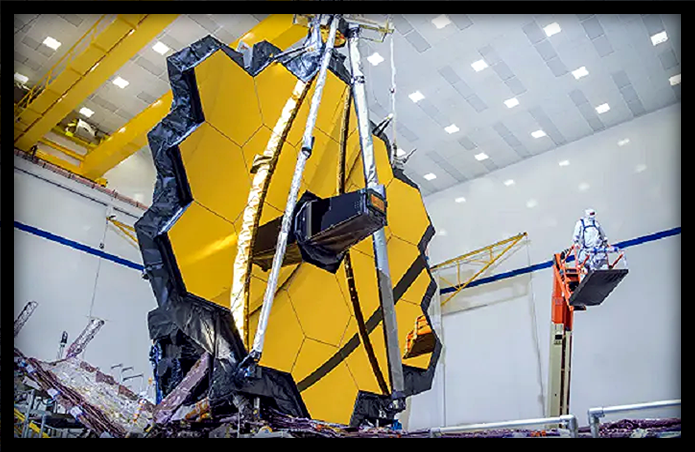
The James Webb Space Telescope (JWST) in space.

JWST Discoveries That Shook the Stars

Imagine holding a mirror up to the universe’s infancy, a gleaming eye that pierces through the velvet curtain of space-time. That’s the James Webb Space Telescope (JWST), launched in 2021 and humming to life in 2022, like a cosmic storyteller awakening from a long slumber. Suspended 1.5 million miles from Earth, this golden marvel doesn’t just snap photos; it captures the faint echoes of light that have traveled billions of years to reach us.
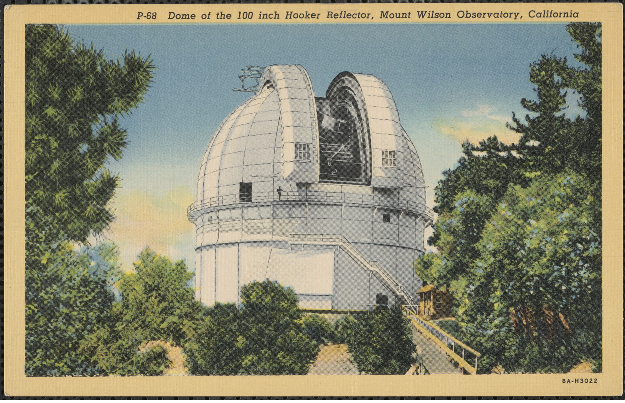
Close-up view of the 100-inch Hooker Telescope.

The Evolution of Astronomical Telescopes: A Century of Cosmic Vision

The past century has witnessed an extraordinary transformation in astronomical telescopes, evolving from massive ground-based behemoths limited by Earth’s atmosphere to sophisticated space-faring instruments that peer into the universe’s deepest secrets. This journey, spanning from the aftermath of World War I to the present day, reflects humanity’s relentless quest to understand the cosmos.

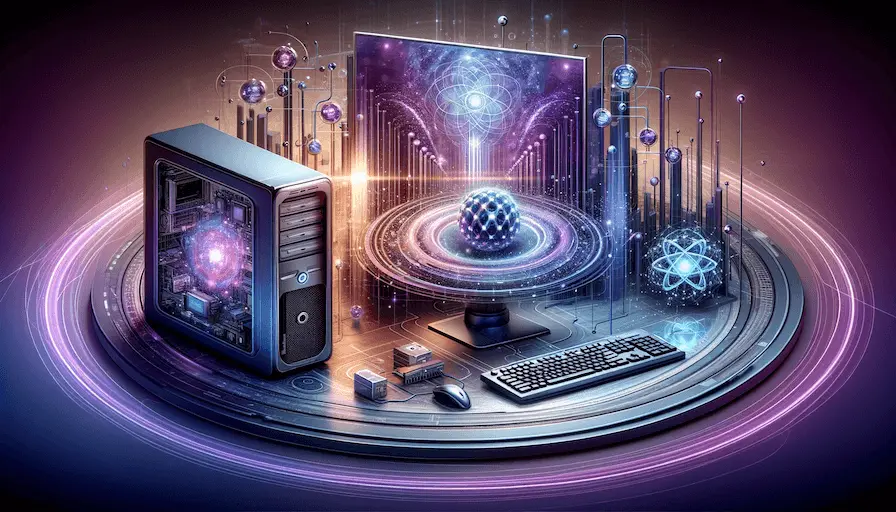
Illustration of Biological Quantum Computing.

Quantum Breakthroughs: Biological Qubits

Building on photonic advancements discussed in the previous article, a parallel quantum revolution is unfolding at the intersection of biology and quantum mechanics. Researchers at the University of Chicagohave developed biological qubits using fluorescent proteins derived from jellyfish. This innovation bypasses traditional quantum computing hurdles like cryogenic cooling and vacuum isolation, leveraging nature’s molecular machinery for quantum operations at room temperature.

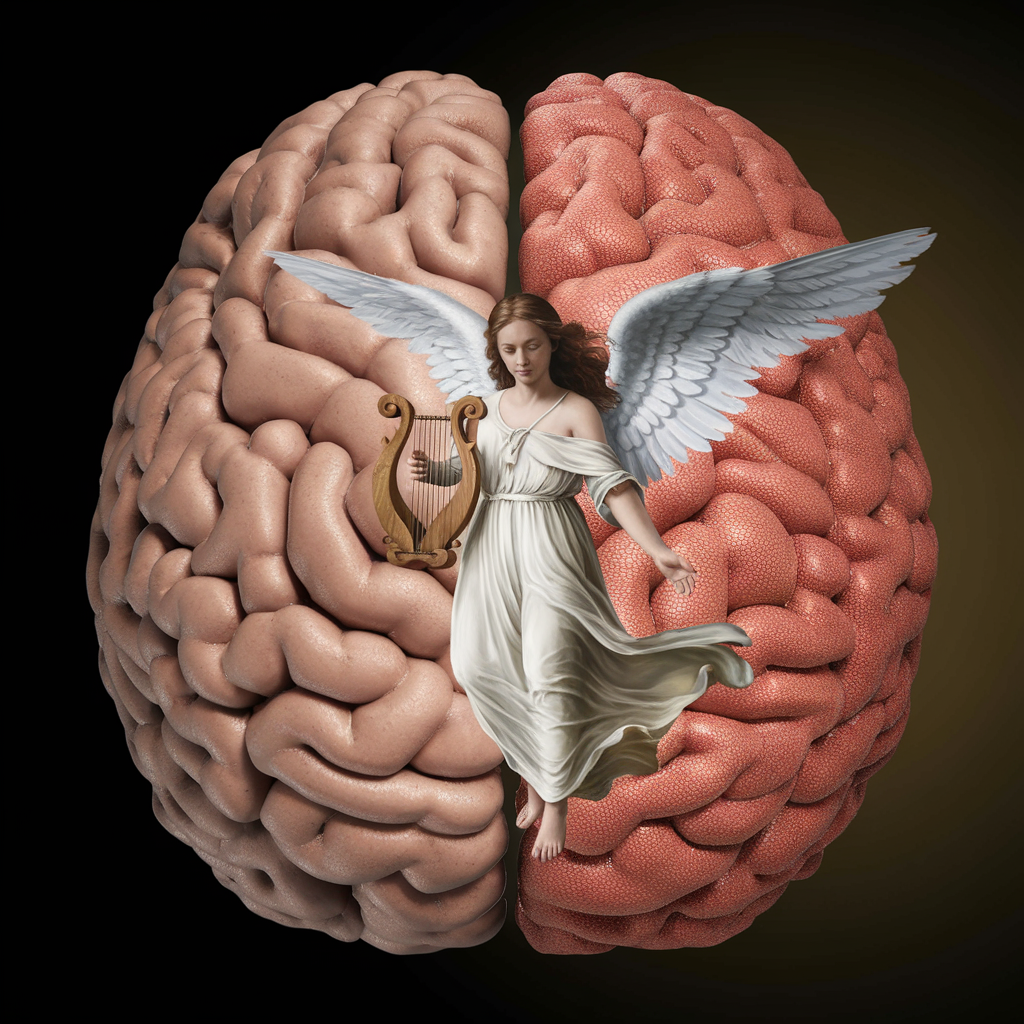
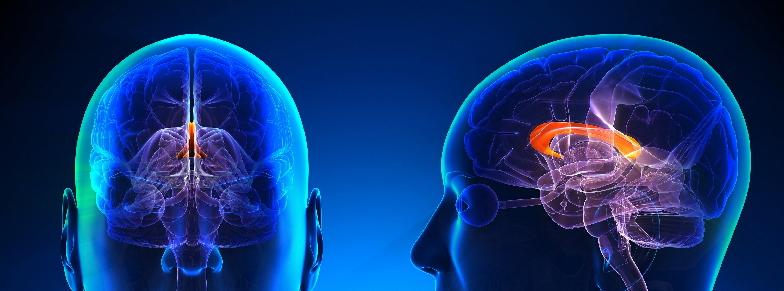
Anatomical diagram of the brain's corpus callosum.

The Corpus Callosum: Bridge of the Brain

When compared to other mammals, the human corpus callosum is relatively small in size, a surprising trait given our advanced cognitive abilities. While absolutely large (about 10 cm long and 1-2 cm thick), it’s undersized relative to our expansive neocortex. In chimpanzees, our closest relatives, the corpus callosum is larger relative to their smaller brains.

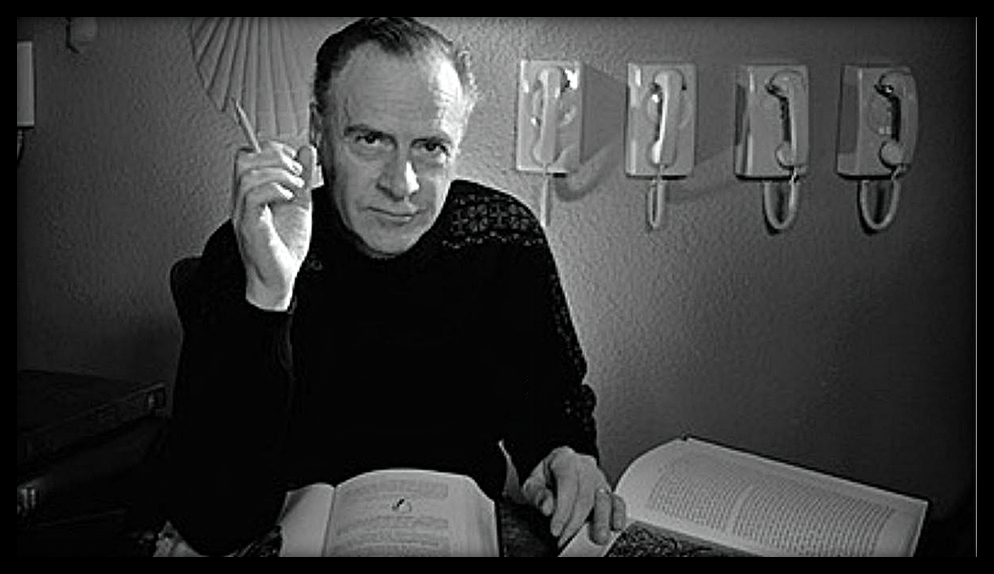
Iconic portrait of Marshall McLuhan by Yousuf Karsh.

Narcissus Narcosis: McLuhan’s Warning in the Age of AI

Marshall McLuhan’s concept of “narcissus narcosis” is one of the most intriguing and cautionary ideas in his media theory, particularly as outlined in his 1964 book Understanding Media: The Extensions of Man. Drawing from the Greek myth of Narcissus—a beautiful youth who falls in love with his own reflection in a pool of water, mistaking it for another being—McLuhan uses this metaphor to describe a psychological and perceptual state induced by media technologies.

Abstract representation of AI chat interaction.

The Medium is the Message: The Age of AI Chatbots (Part 1)

The medium isn’t neutral; it imposes its own logic and biases, often overshadowing the intended message. This idea challenges us to look beyond what is said to how it’s delivered. McLuhan used examples like the electric light bulb—not for its “content” of illumination, but for enabling entirely new patterns of human activity, such as night shifts and 24-hour economies.