Introduced in The Global Village’s explorations of media ecology, the McLuhan Tetrad isn’t just a checklist; it’s a dynamic dance of effects that any new medium unleashes upon the world. Picture it as a mandala with four quadrants:
Trifles, Light as Air
Introduced in The Global Village’s explorations of media ecology, the McLuhan Tetrad isn’t just a checklist; it’s a dynamic dance of effects that any new medium unleashes upon the world. Picture it as a mandala with four quadrants:
Imagine the brain as a global village itself, a bustling marketplace where ideas from opposite shores collide. The left hemisphere, that bastion of linearity and literacy, embodies the West’s visual empire. It’s the realm of the alphabet, the printing press, and the spreadsheet—tools that slice reality into sequential, analyzable bits. McLuhan likens it to a camera’s fixed focus: sharp, detached, and obsessed with perspective.

This article is based on a speech by the Leader of the Conservative Party of Canada, The Honourable Mr. Pierre Poilievre, MP. The purpose of the article is to look at the trade imbalance between Canada and the United States, to explain why a bilateral surplus does not equal exploitation, and to connect trade tensions to broader issues in defence and diplomacy.
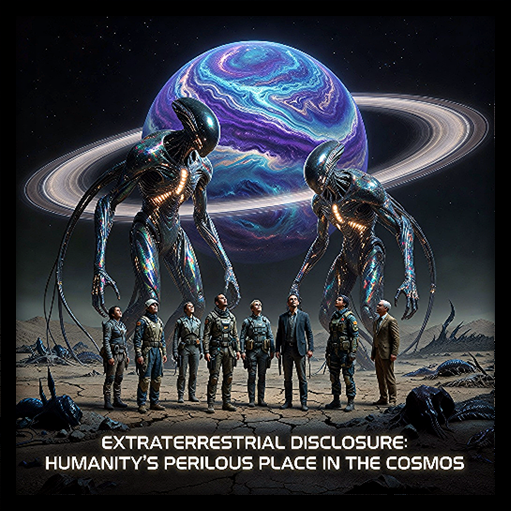
Humanity stands at a crossroads of ingenuity and peril, a species capable of breathtaking innovation yet plagued by primal instincts that threaten its own survival and beyond. We are, in essence, primitive, savage, and dangerous—traits that manifest in our history, our societies, and our interactions with the world.
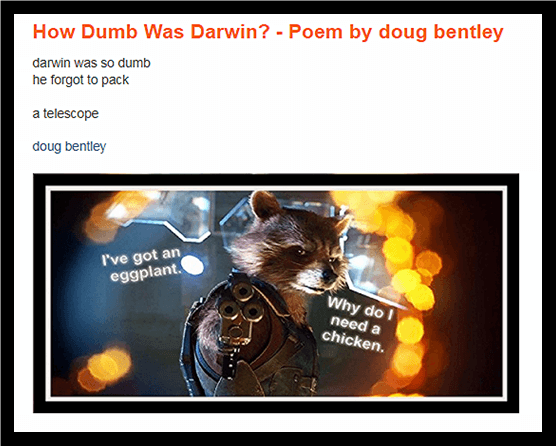
In an era where declassified government documents, whistleblower testimonies, and unexplained aerial phenomena (UAP) dominate headlines, the question of extraterrestrial disclosure has never been more pressing. This article explores the evidence for such interactions and examines the logical implications for official disclosure.
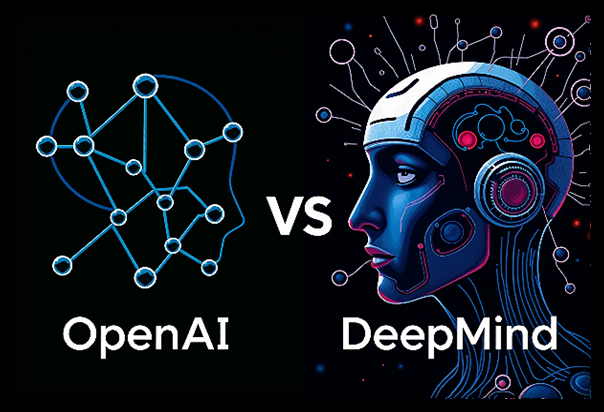
In the ever-accelerating world of technology, few developments spark as much fascination and debate as artificial intelligence (AI). At its pinnacle lies Artificial General Intelligence (AGI)—a hypothetical form of AI that could understand, learn, and apply knowledge across any intellectual task at or beyond human levels.
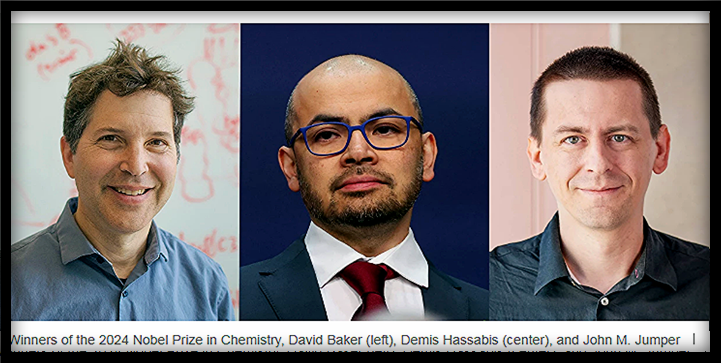
AI’s trajectory—from AlphaGo’s boardroom conquests to ChatGPT’s conversational prowess—heralds a new era. OpenAI and DeepMind’s advancements propel us toward AGI, while applications in medicine, education, and science promise unprecedented progress. Yet, as Hawking and Russell remind us, wisdom must guide power.
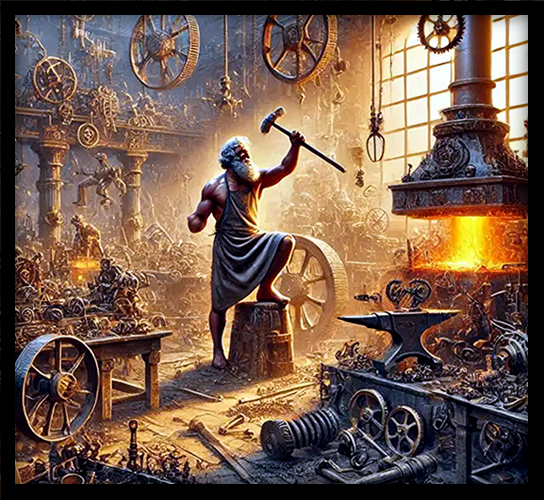
The ambition to create intelligent machines is not a product of the digital age. It is an idea woven into the fabric of human civilization itself. From the mythological automata of ancient Greece — Hephaestus forging golden handmaidens endowed with reason — to the medieval legends of alchemical beings, humanity has long dreamed of breathing intelligence into the inanimate.
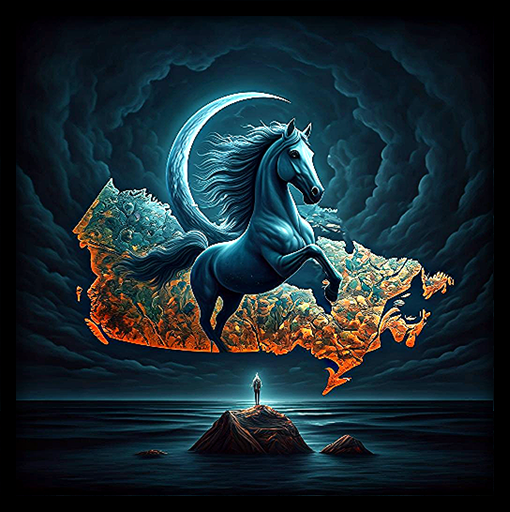
As the Lunar New Year dawns, ushering in the Year of the Horse, the world braces for a period marked by unbridled energy, swift progress, and a thirst for adventure. In the Chinese zodiac, the Horse symbolizes freedom, vitality, and determination—qualities that evoke images of galloping steeds charging toward new horizons.
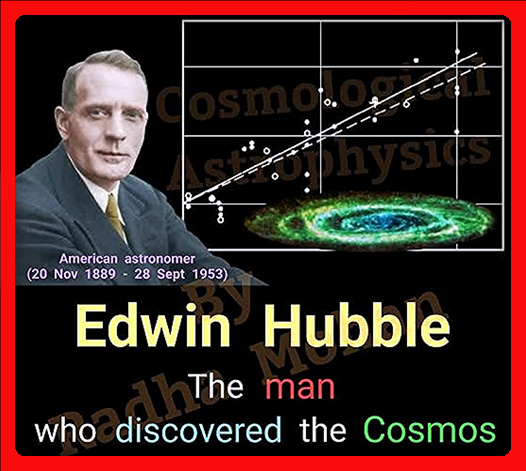
A hundred years ago, in the 1920s, the Hooker Telescope at Mount Wilson Observatory in California stood as the world’s largest, with its 100-inch mirror revolutionizing our view of the cosmos. This era marked the birth of modern cosmology, challenging long-held beliefs. Fast forward to today, and the James Webb Space Telescope (JWST), launched in 2021, is unveiling secrets of the early universe with unprecedented clarity.